Birding Holidays & Excursions - Options and Price List
Frank introduces "Birding in Portugal"
Birding in Portugal, at the Quinta, offers different types of all-inclusive packages and half- and full-day excursions to meet with some of the country’s most iconic species. Golden Orioles in the gardens, Bee-eaters in their valleys, Bustards striding across the Alentejo Plains, and the odd Roller or Shrike perched where you least expect them.
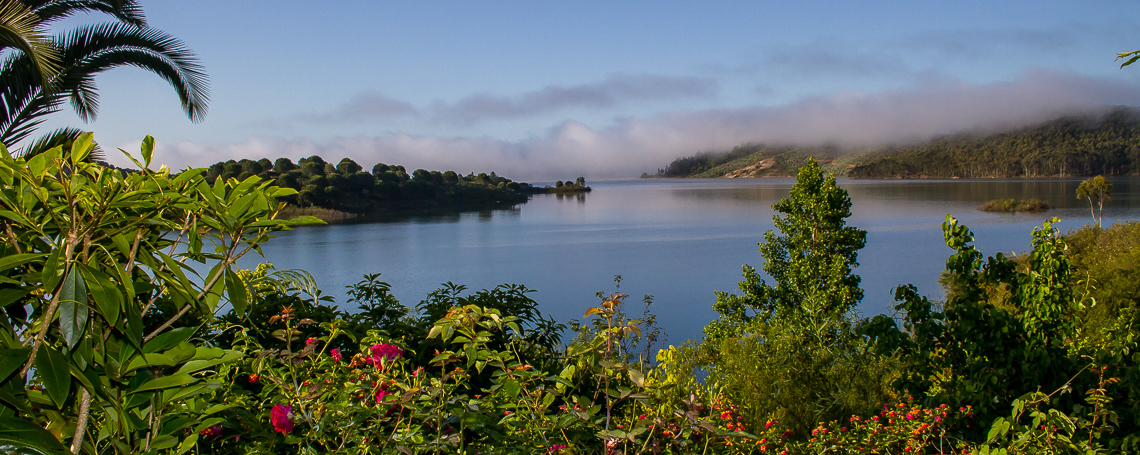
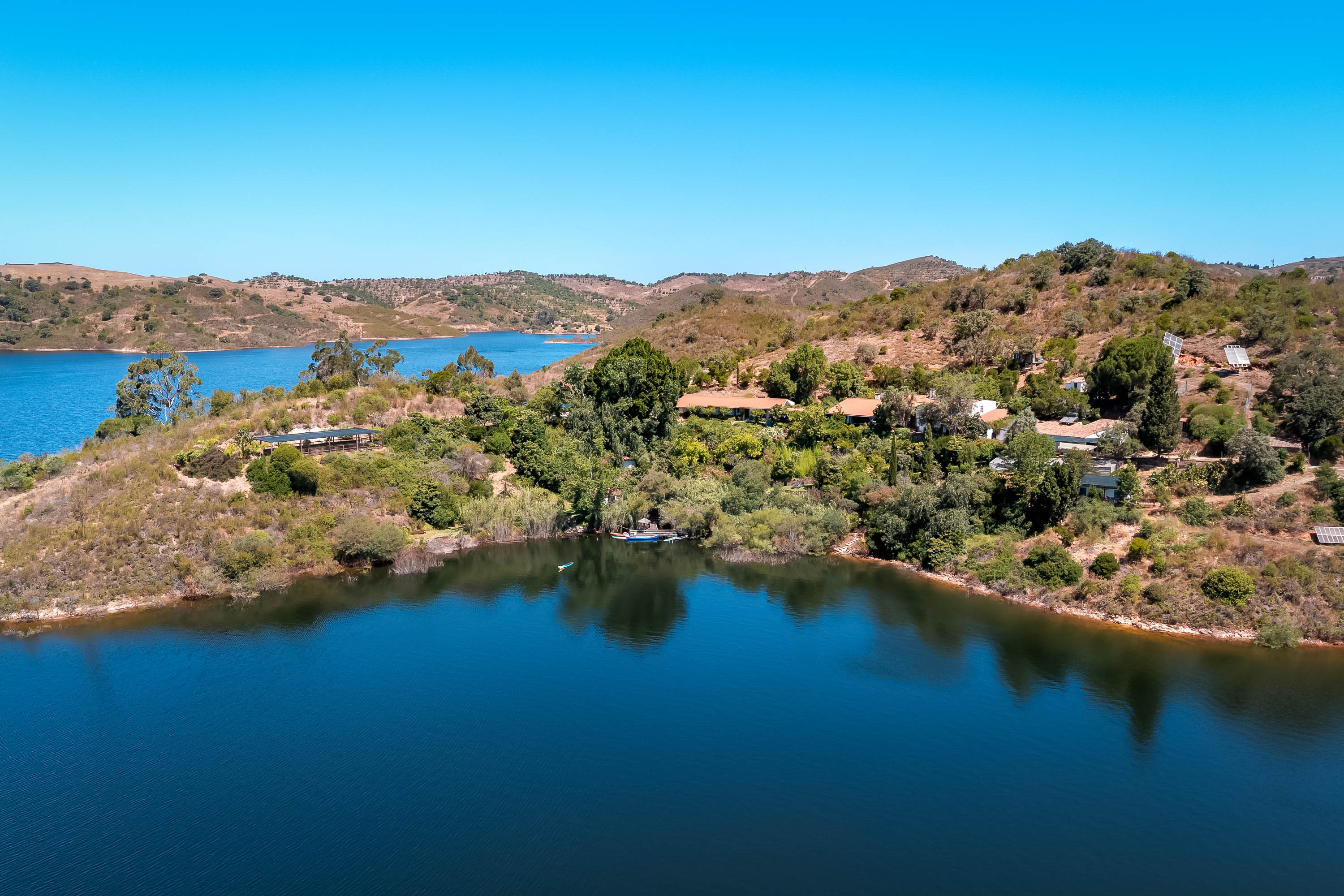
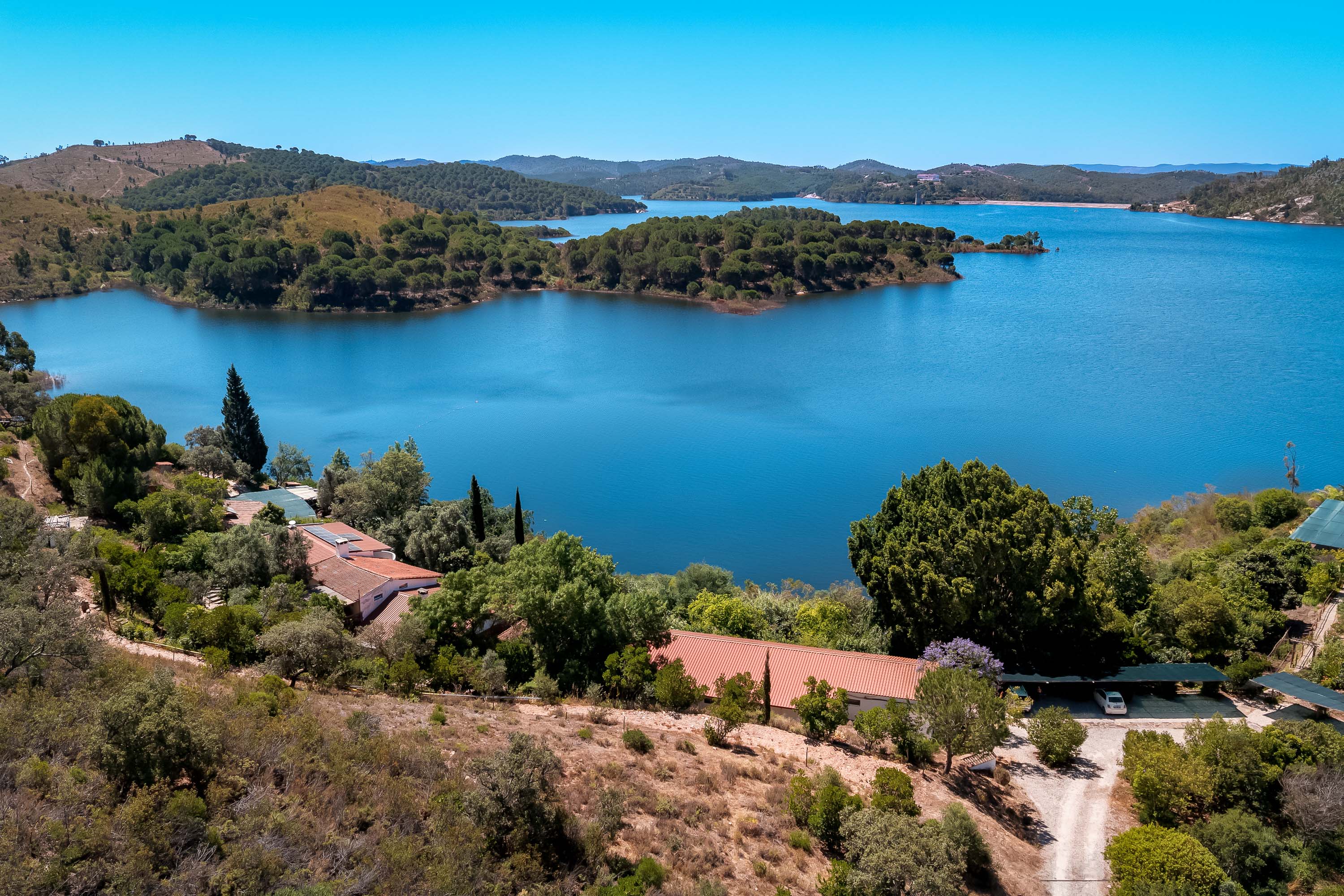
We’re located on the shores of a vast, unspoilt lake in southern Portugal, surrounded by low-intensity farmland and cork oak valleys - a perfect base with hides, gardens, and miles of habitat right outside the door.
From here, we head out to the coast, the plains, or simply stay local, depending on the season and what you’d most like to see.
All-Inclusive Packages With Full Board at The Quinta
All packages are undertaken subject to the Cancellation Policy stated on this page of the Quinta's website.
It's your choice where you want to go, with who and what you'd like to see, but listed below are a few packages with Full Board, Guided Birding and all transfers from & to Faro Airport.
3,000.00 euros (1,500 pp)
4,000.00 euros (2,000 pp)
3,300.00 euros (1,650 pp)
4,300.00 euros (2,150 pp)
1 week full board for 2 in a double or twin bedded room with four Full Day outings and two Half Day outings during August, including transfer from and to Faro airport.
4,515.00 euros (2,257 pp)
Local Half Days
Local Half-days can be to various sites or a combination of sites in the vicinity.
They usually start after a quick early breakfast and include a coffee stop during the morning and we're back for lunch at the Quinta.
Price: 55€ per person, with a minimum charge of 155€ (if only 1 or 2 participants).
Private Birding can be booked at an additional cost.
- Corte Brique Valley
This is a gentle walk of roughly 2 hrs duration on mostly flat, level land, taking us around a wide valley with mixed, low-intensity, self-sufficient farmsteads. It lies half way towards Santa Clara a Velha and requires a ten-minute car journey to reach. We normally have a quick coffee break half an hour after the start. - Water Rail and Kingfisher Hide
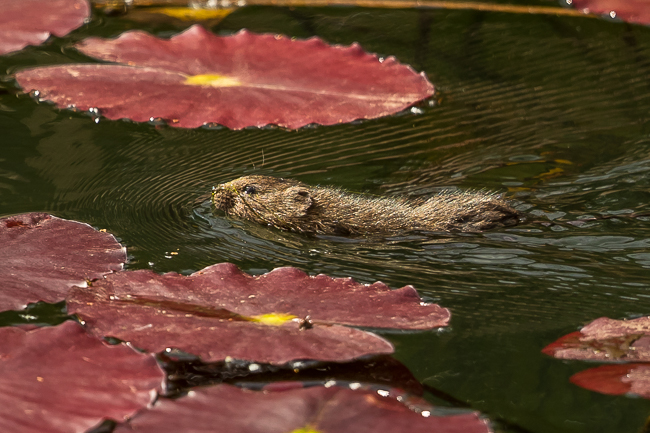
The Hide is just the other side of Santa Clara a Velha and overlooks a pond through which a small stream runs. As the name suggests it is primarily a Hide for Common Kingfishers and Water Rails, the latter breeding right opposite the Hide itself in amongst a small patch of marsh, but there are also European Otters, Polecats and Egyptian Mongooses here as well as Southern, (or Southwestern), Water Voles, (Arvicola sapidus), a vulnerable IUCN Red Listed species that is considerably larger than the Eurasian, (or Northern), Water Vole, (Arvicola amphibious). It is also a good place to see any of the three species of Terrapin we have hereabouts, the European Pond Terrapin, (Emys orbicularis), the Mediterranean Pond Terrapin, (Mauremys leprosa), or the introduced Red-eared Terrapin, (Trachemys scripta). - Bee-eater Valley
The name says it all. This valley is near the station just the other side of Santa Clara a Velha and is one of the best places nearby where one can see this iconic species as it houses a breeding colony of approximately 50 pairs. - Viaduct Valley
Viaduct Valley is also near the station and is a gentle walk bordering a small river with open terrain for grassland species, as well as scrubland. It is more “open-to-the-sky” than the other local walks so one has more chance here of seeing raptors. - Paul’s Valley
This valley is approximately half an hour’s drive away and once again is a gentle walk bordering a small stream. It is renowned for harbouring Crested Tits, Cirl Buntings, Firecrests and Iberian Chiffchaffs, and is especially good for butterflies.
Full Day Excursions
Full Day Excursions involve an early start and include a picnic lunch and coffee stops, and we're back home again in the afternoon for a rest before an early dinner.
Price: 160€ per person with a minimum price of 480€ for 2 participants or less.
Private Birding can be booked at an additional cost.
- The Plains
The day out on the Plains of the Alentejo is probably the most exciting of our Full Day excursions and takes us to an area about 40 kms away as the crow flies in a north-easterly direction. We normally stop for breakfast on the way before birding starts proper. As with all nature in this area, the birds are adapted to making the most of the cool of the morning and the “action” takes place during the first five hours of daylight. There are coffee stops and a picnic lunch before returning to the Quinta.
- Lagoa de Santo André & the Costa Vicentina
This brackish coastal lagoon is situated north of the Quinta and we have breakfast just before arriving there. It is a beautiful venue and we usually spend about three hours or so at this one spot before adjourning for a coffee stop. During these three hours, we often take a gentle meander along a small length of the lagoon that takes us through some marsh grass before turning inland a short way to a small pine wood. Following our stop for coffee we turn south and travel down the coast, stopping here and there before finally heading due east to return to the Quinta. - Sagres and Foia
Foia is the highest point in southern Portugal at 902 mts, and we sometimes start the day right at the summit, so warm clothing is even more essential on this outing than normal. It lies an hour’s car journey due south of the Quinta and the journey there is a gentle climb up into the hills separating the Alentejo from the Algarve. Once there we have an hour or so’s uneven walk through a scrubby habitat that attracts Dartford Warblers, Rock Buntings and Blue Rock Thrushes, before dropping down the other side of the mountain to a café and heading east to the coast and south down to Cape St Vincent and Sagres, the most south-westerly point of Europe where we often find Red-billed Chough and Black-eared Wheatears. - The Salt Pans and marshland of the Ria Formosa
This day normally starts with a spell in a hide before we take a walk through the salt pans looking primarily for waders etc. If time permits we follow this with a visit to some marshland before returning to the Quinta. This day can be part of your pick-up or drop-off to Faro airport as a way of making your stay even more economical.
- Transfers from/to Lisbon with included birding
For those flying into or out of Lisbon we can bird on the journey to or from the Quinta, thus keeping your costs as economical as possible.
Transfers involving Lisbon are obviously a different price to the Full Day Excursions above and depend upon numbers and start times, so it's best to send us these details and we can quote for you.
Why Choose Birding In Portugal
- The family-run Quinta, aptly named "Paradise in Portugal", hosts a maximum of 26 guests - you won’t feel like a number.
- Frank has guided nature-lovers and birders from all around the globe for over 35 years, literally knowing “who’s where and what’s what.”
- The gardens, hides, and surrounding habitat are optimized for en-suite birding and you can see species such as Golden Orioles from the terrace right in front of your room.
- The region is extraordinarily rich in diversity, from flowers to birds to mammals to reptiles, and much more.
- The Quinta repeatedly wins awards for its warmth of service and hospitality - with over 500 "Excellent" ratings on Tripadvisor it's easy to see why!
 |
 |
 |
 |
 |
The Quinta, looking north,
The Quinta´s view to the south,
If you're opting for a fully catered stay the best place for a birding break has got to be Quinta do Barranco da Estrada, a small family-run hotel in a stunning lakeside location - it's not called "Paradise in Portugal" for nothing! There are over 550 Tripadvisor Reviews for this stunning location and it has won numerous awards.
The owners, Frank and Daniela McClintock, are both long-time residents of the area and what they don't know about the locality isn't really worth knowing. Added to this is Frank's passion for Nature in general and Birds in particular; he's been a professional Birdwatching and Photography Guide for the area for over 35 years so knows what's what and who's where better than anyone.
It's ideally suited for birders and non-birders alike, as there are plenty of facilities for a relaxing holiday for everyone, (even those who may not be "Bird-crazy"), just as long as they want to get away from all the hustle and bustle of the crowds!
It's situated in the southern foothills of the Alentejo, in amongst the Montados, (Cork Forests), of southern Portugal, and can be easily reached from the international airports of either Faro or Lisbon, and the Quinta has a Transfer Service for those not wishing to hire a car.
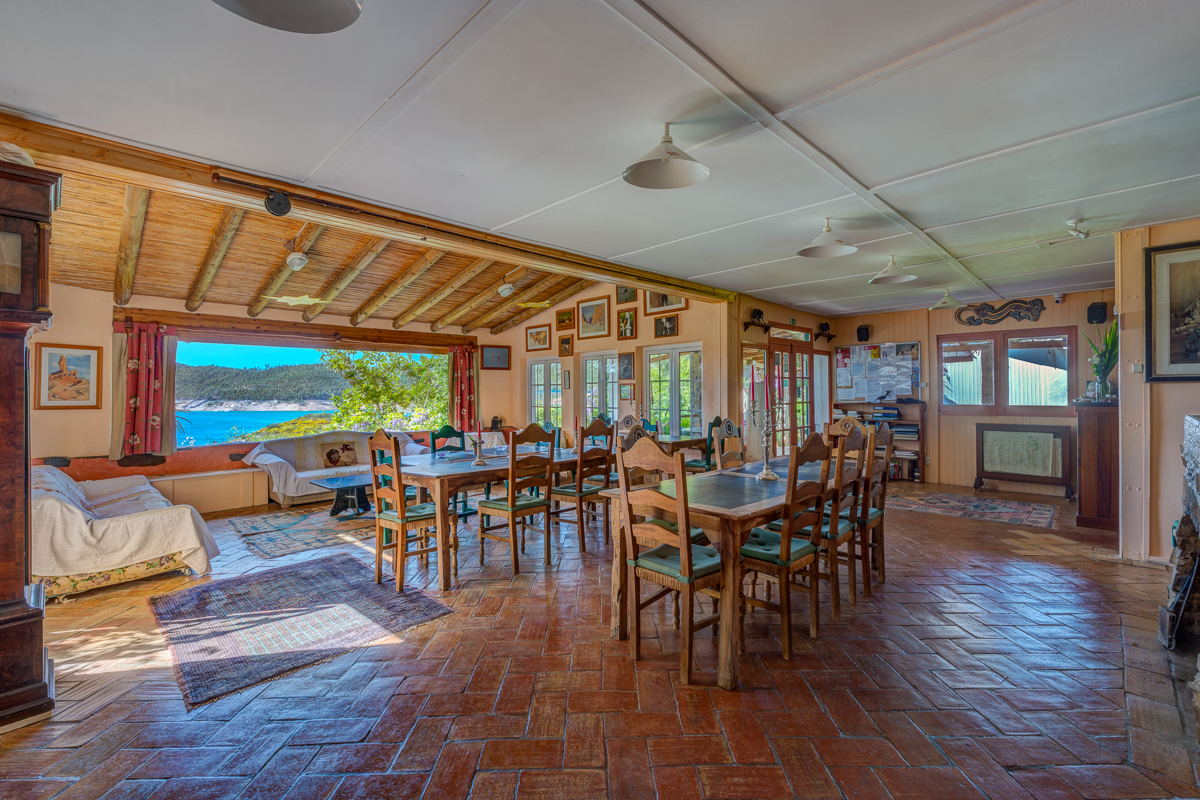
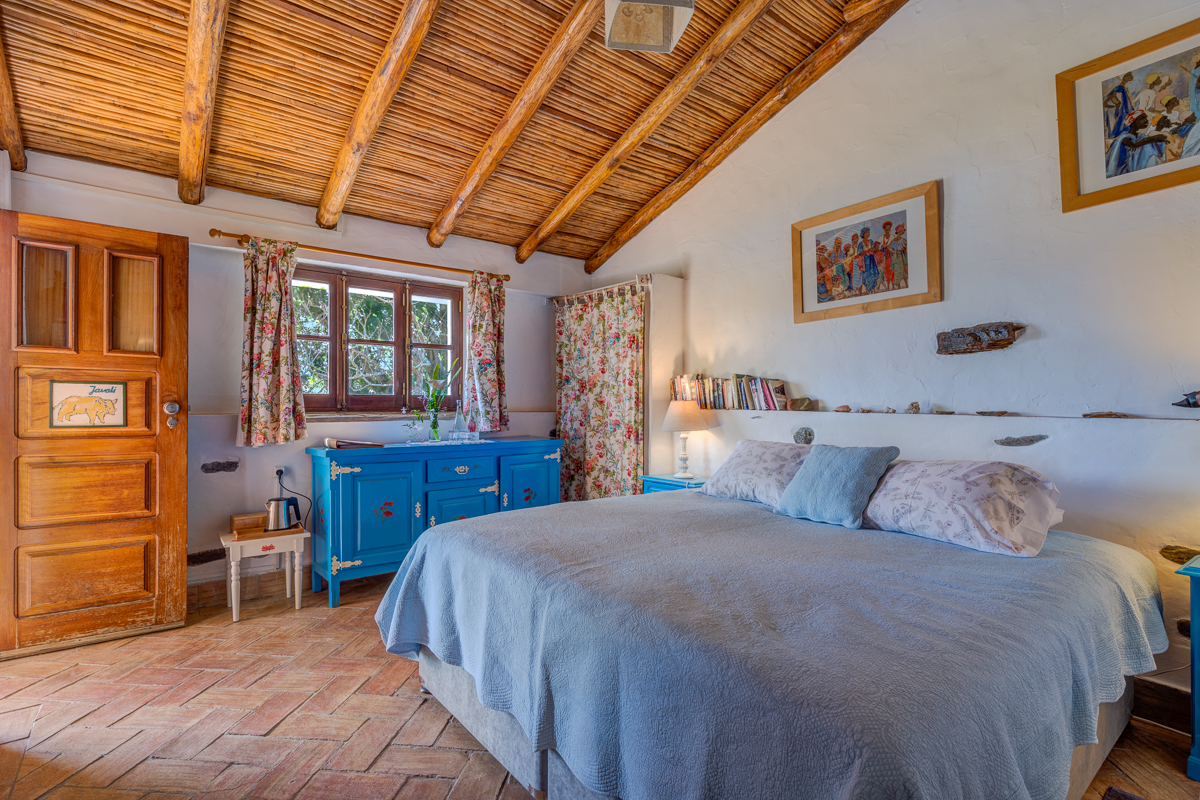
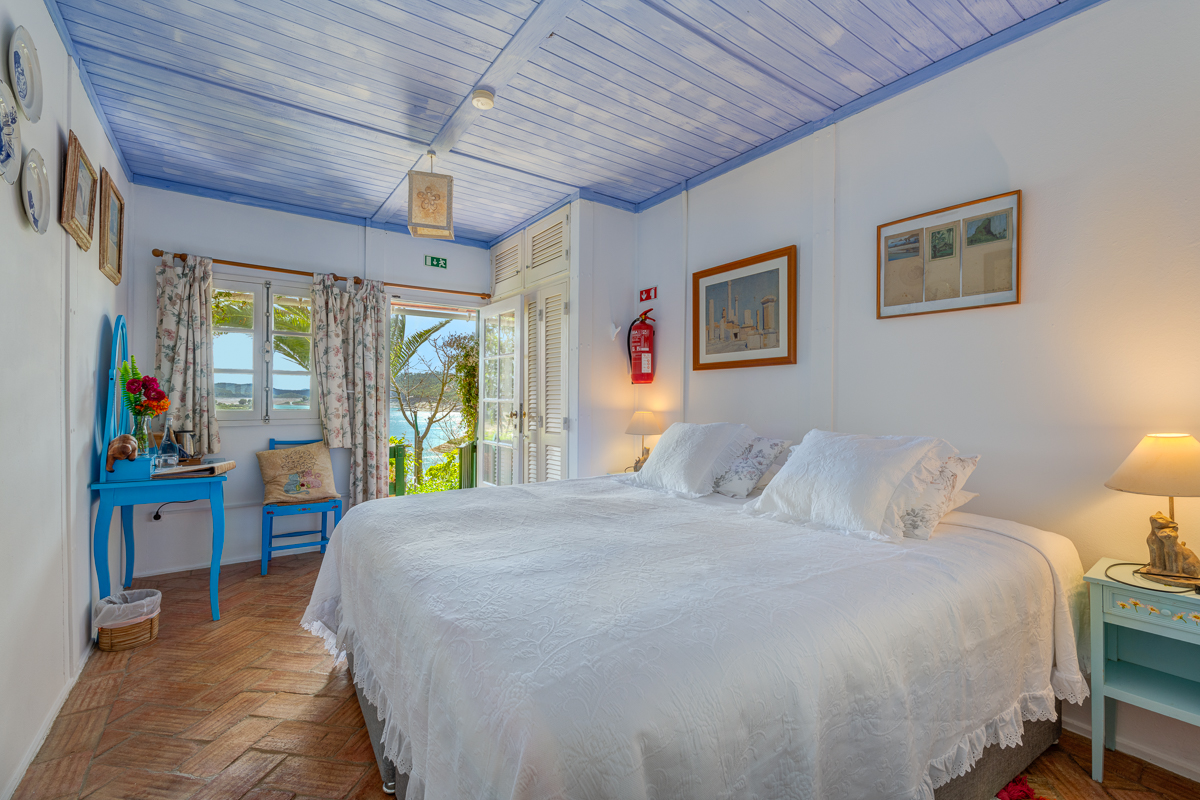
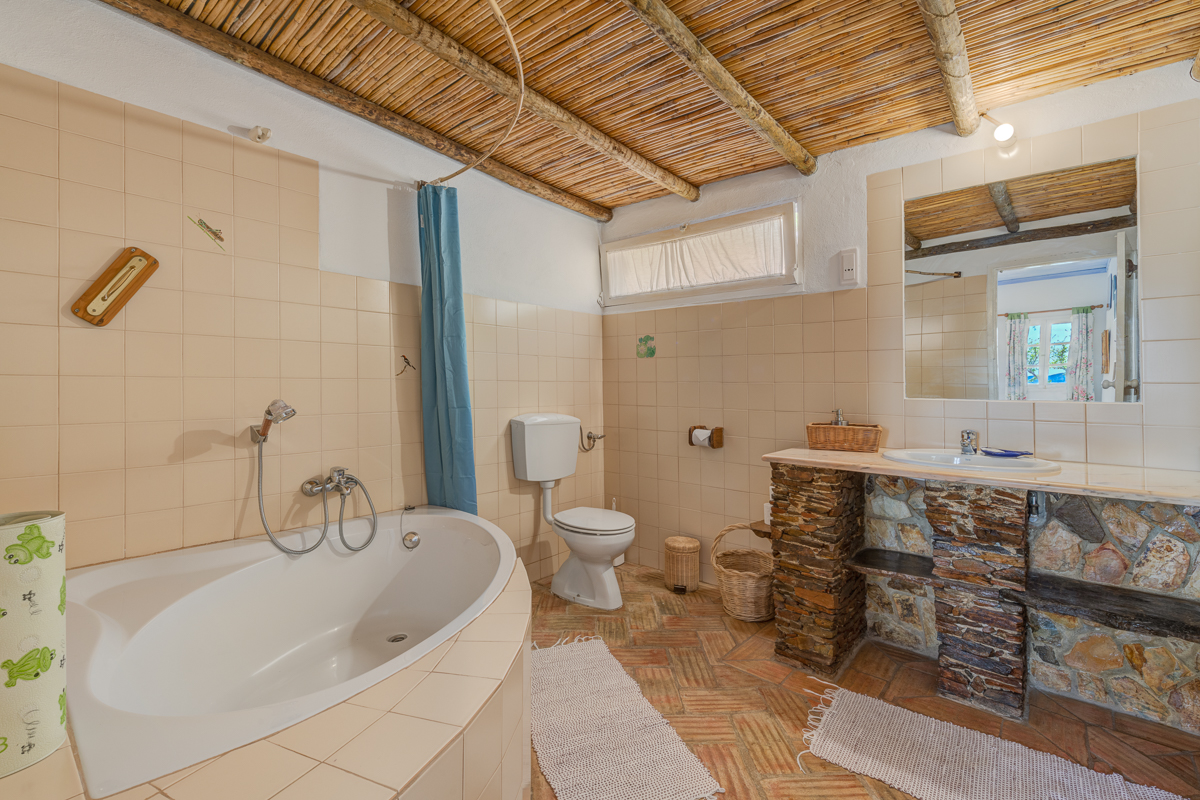
The Quinta itself has a reputation for good food, company and service, and its size, with a maximum of twenty six guests, ensures that everyone feels welcome and "at home" from the moment they arrive. It has a view to die for and there's a selection of rooms from singles to twins to doubles. If you're wanting to be pampered there's the Honeymoon Suite, and if you have a group of friends or stay as a family, there's the Family Suite, consisting of two rooms inter-linking through a shared bathroom.
The Quinta always has promotions for groups and for stays of a week or more, and these can easily be seen on the "Prices" page of our other website.
Present near the Quinta are a wide variety of Warblers, Stonechats, two species of Shrike, Bee-eaters, Kingfishers, three varieties of Woodpeckers and three of Eagles, (Short-toed, Booted and Bonelli's), as well as other raptors, notably Peregrine Falcons and Black-winged Kites. The area also has one of the highest densities in Europe of Nightingales, and during the Spring one is rarely out of earshot of their beautiful song.
Here's a quick video describing a couple of Guided excursions ...
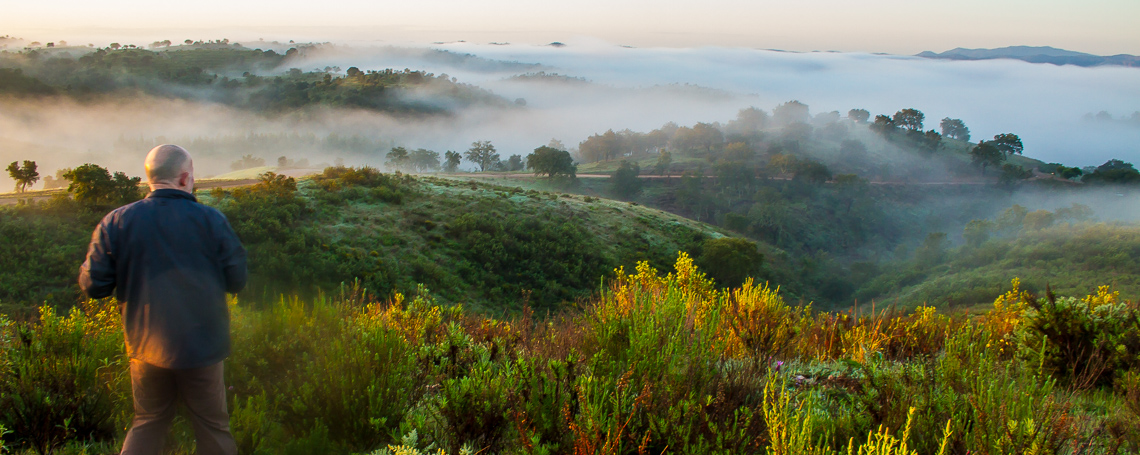
A sunrise on Foia
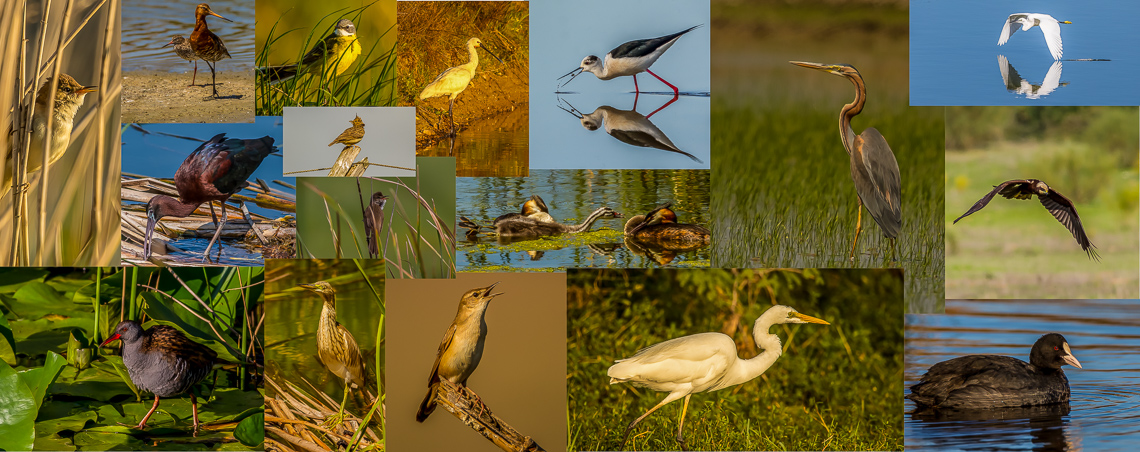
A collage of what you'd probably find near the Quinta itself ...
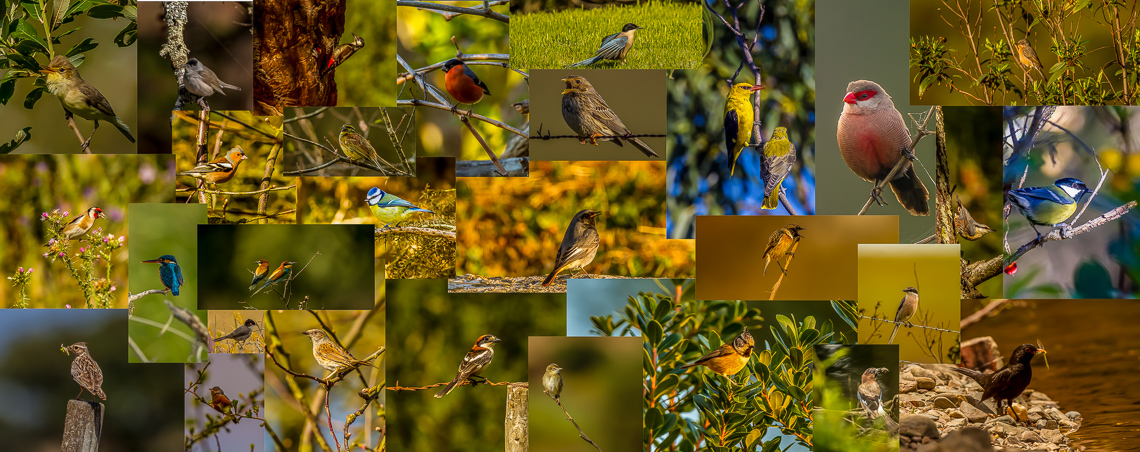
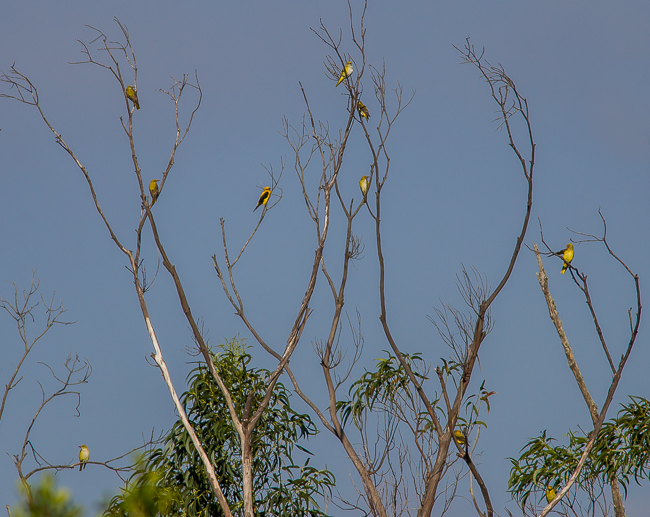
We have a couple of hides in the vicinity, one within 100 mts of your room in the Quinta's garden, and this is especially good during July and August as it's primarily aimed at Eurasian Golden Orioles. This species, so hard to see well or even find, is a doddle at the Quinta, for we have at least three pairs nesting in the garden itself, and, thanks to the carefully planned and planted garden, the Quinta is a magnet for every Oriole within miles, so, no exageration, during those two months there are sometimes up to 30 feeding up in front of the hide every morning. It's a joy to see ten of these sought-after birds sitting out in the open like the picture below ...
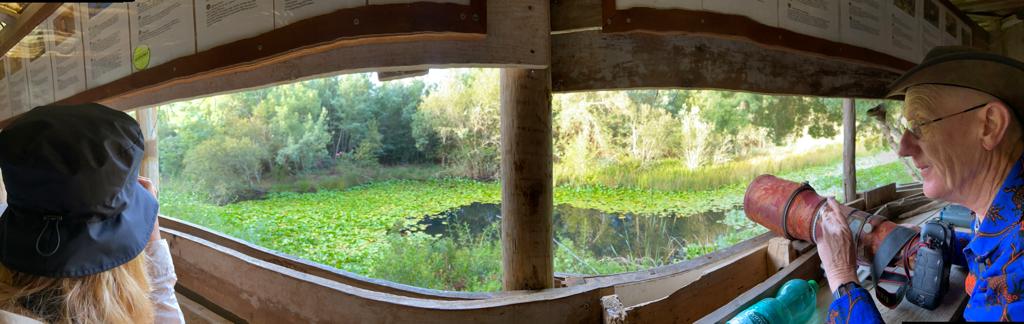
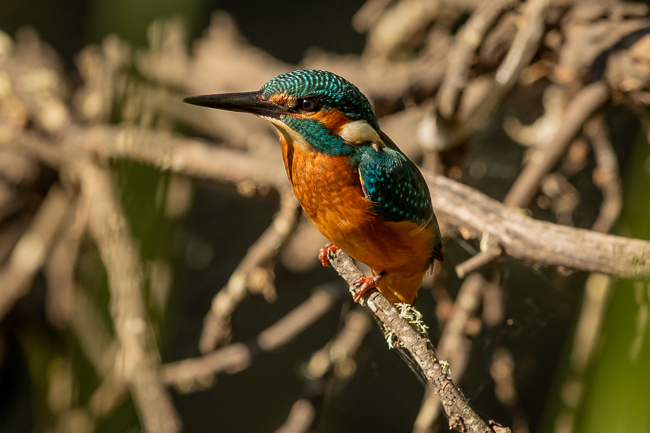
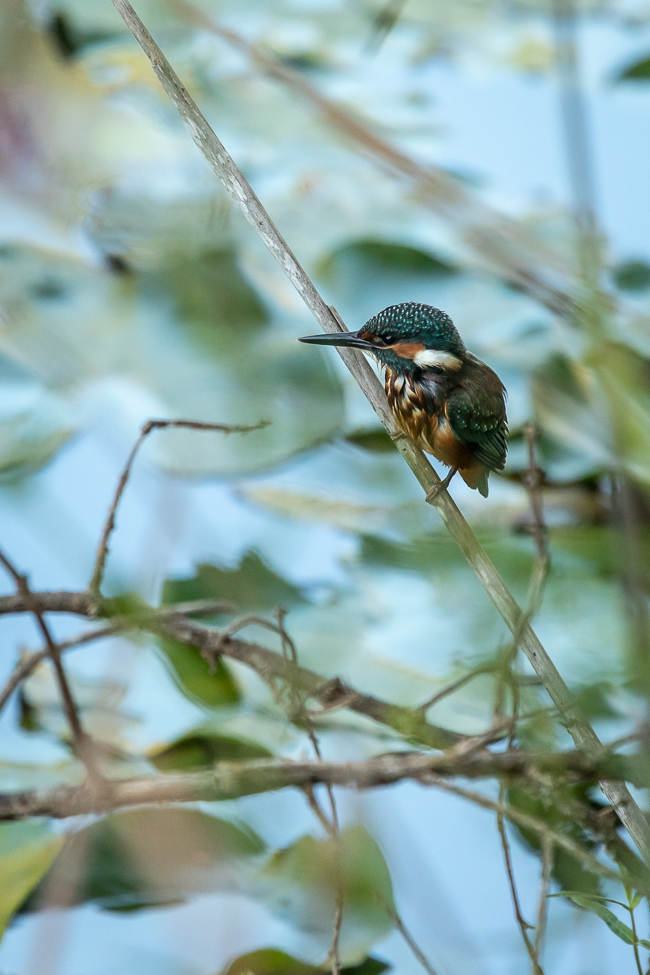
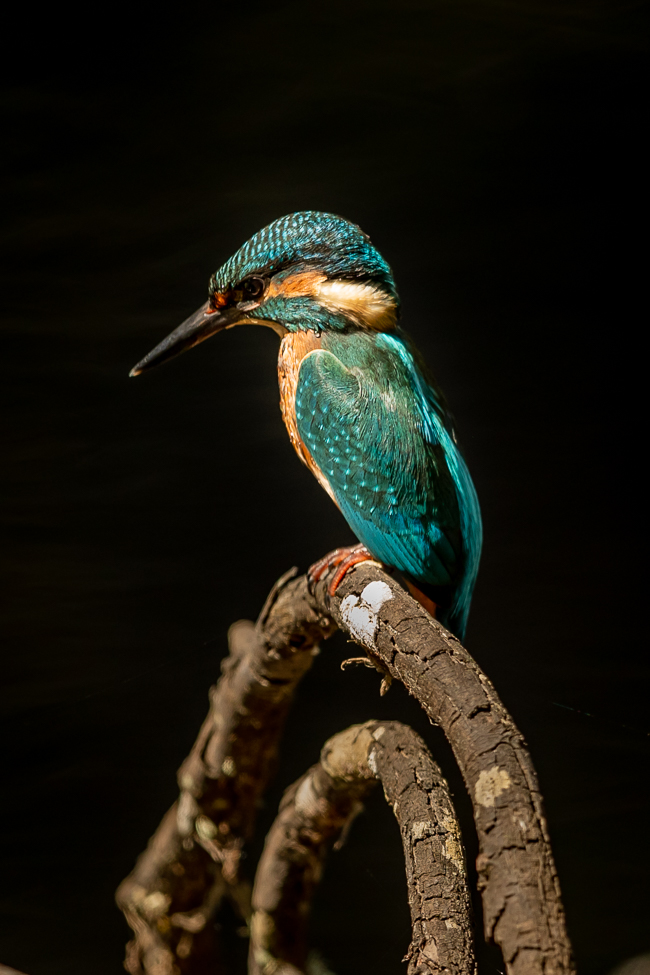
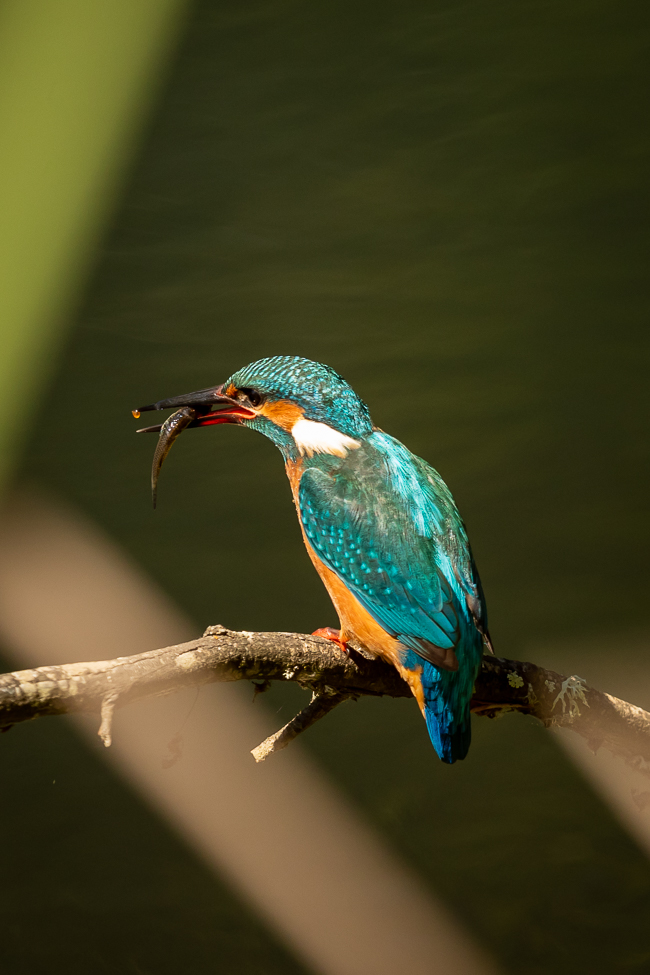
A quick 15 minute drive away we have another hide, this one aimed at Water Rails, Common Kingfishers and other aquatic life such as Otters and the rare Southern Water Vole. It overlooks a secluded, slow-moving river covered during the summer months in water lillies which provide a perfect setting for the wildlife that frequents this venue. It's a good place throughout the year but is especially prolific during June and July if you're wanting to get up close and personal with either Water Rails, (usually such a difficult species to spot), or Common Kingfishers, normally so shy and wary.
For anyone wanting a more relaxed birding experience, there's always the option of a longer stay as Frank explains in the video below.
As Frank explains above, as well as the wealth of local species surrounding the Quinta, ("Paradise in Portugal"), there are four main areas with different habitats within an hour and a half's car journey which are ideal for Birdwatching.
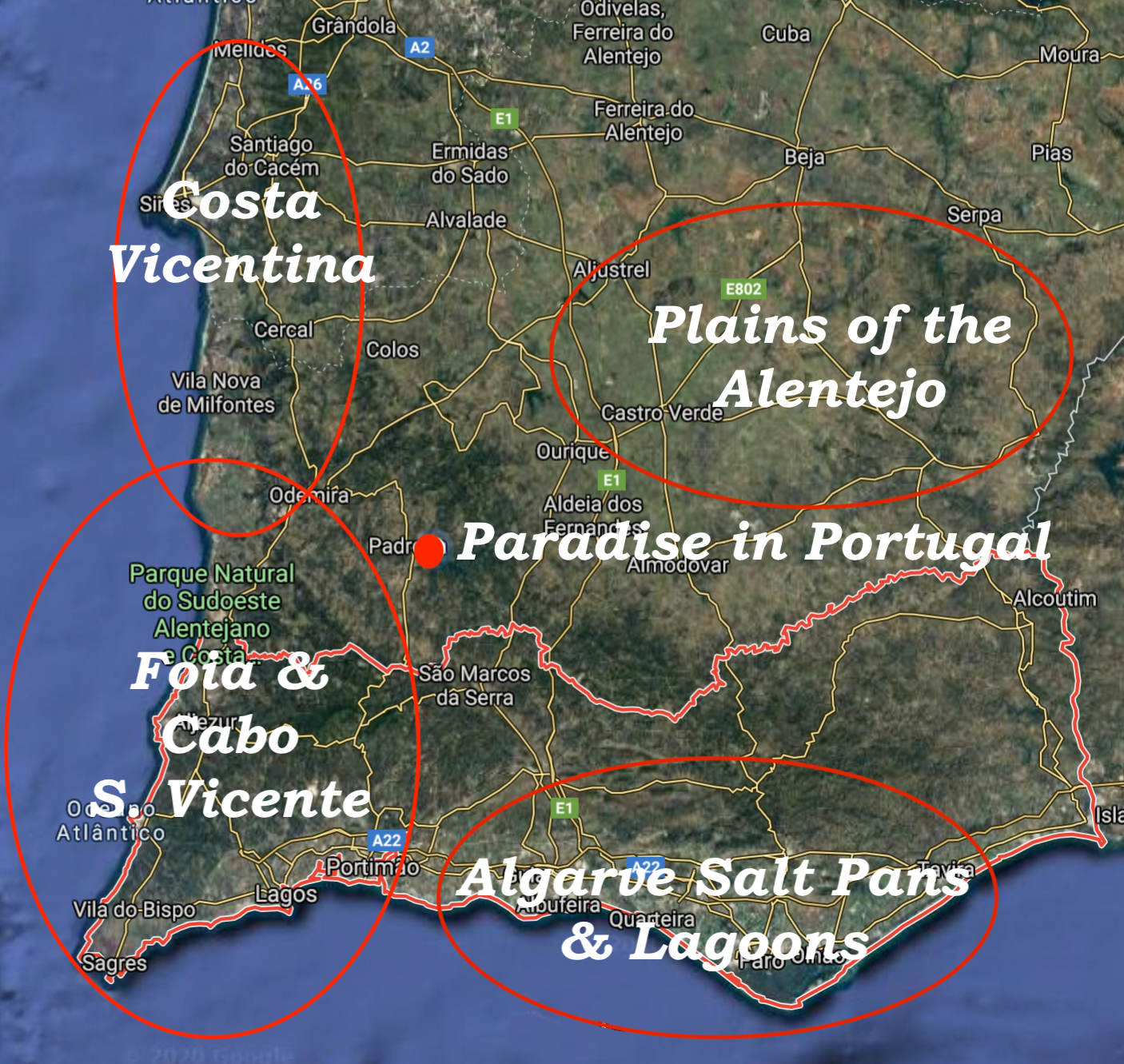
To the north west of the Quinta is the Costa Vicentina stretching southwards from the Sado Estuary and including the S. André Lagoon.
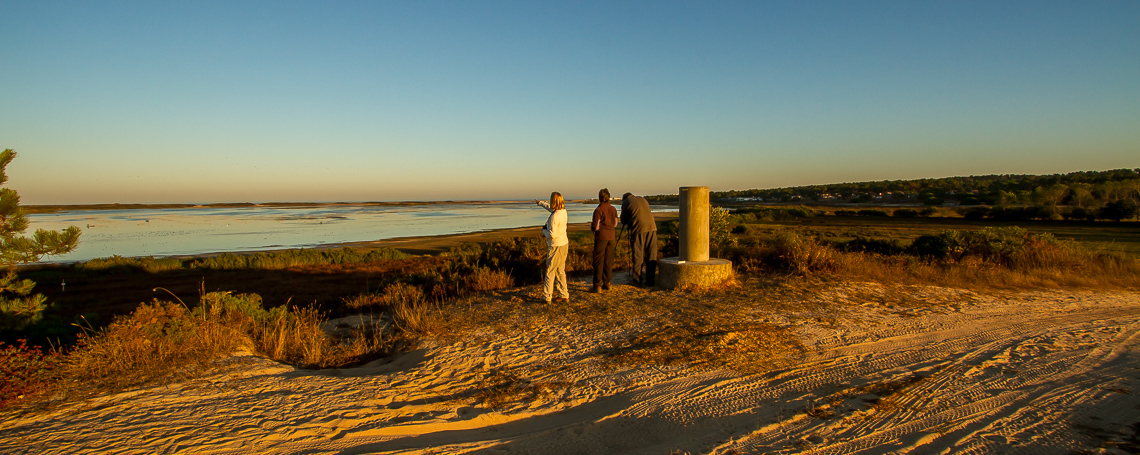
The Lagoon is a haven for marshland birds, notably Squacco Heron, Purple Heron, Black-crowned Night Heron and Eurasian Spoonbill. Raptors include Marsh Harrier and Black winged Kite.
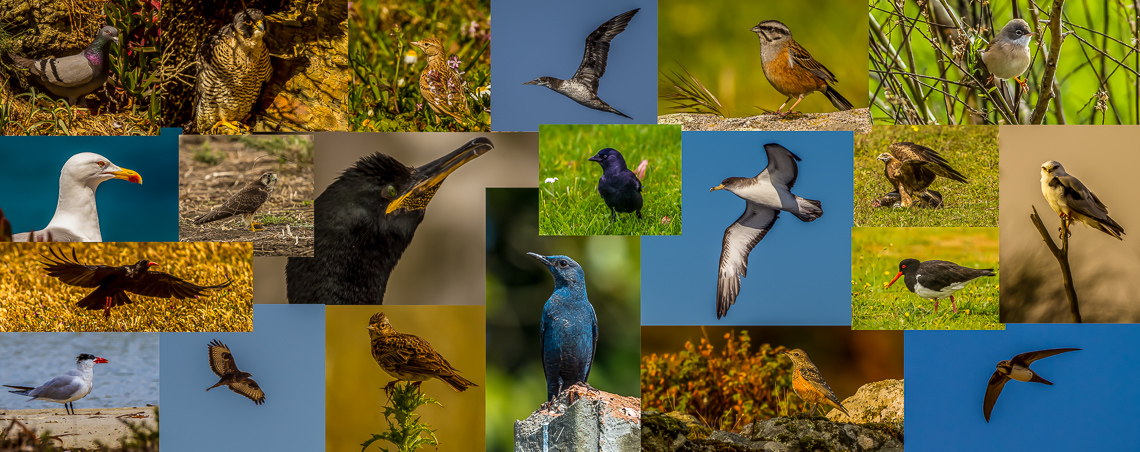
A collage of likely species on the Costa Vicentina ...
To the west and south west is the migratory route through the "Southwest Alentejo and Costa Vicentina Natural Park", a rocky coastline interspersed with sandy coves and sleepy villages, as yet mostly untouched by mass tourism. It includes Foia, the tallest mountain in southern Portugal and Cabo S. Vicente, the most south-westerly tip of Europe.
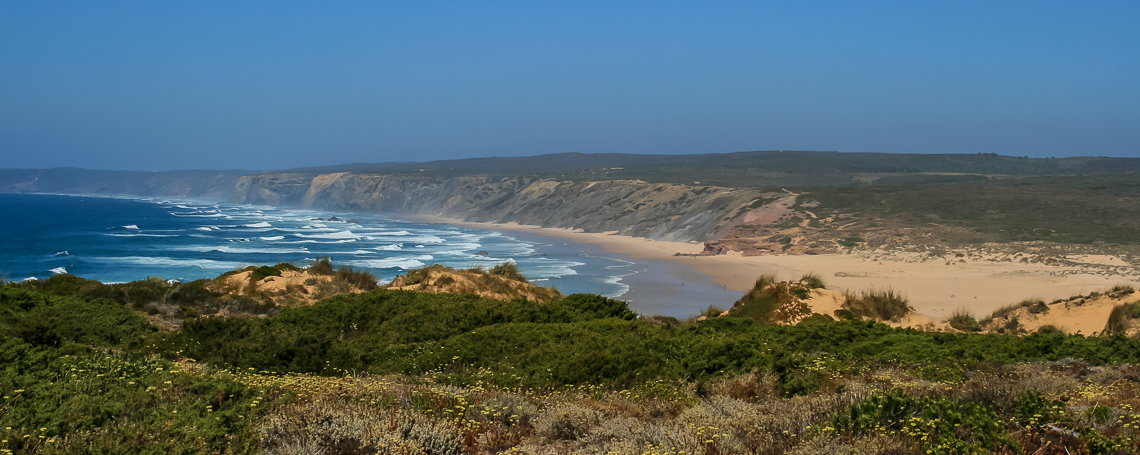
Outside the autumn migrating season the specialities here are Blue Rock Thrush, sea-nesting White Storks, Peregrine Falcon, Rock Bunting and Cattle Egret amongst others. During the Autumn the raptors migrating south along the coast towards Sagres for the onward journey to Africa are a sight that few forget.
A collage of the species in this area ...
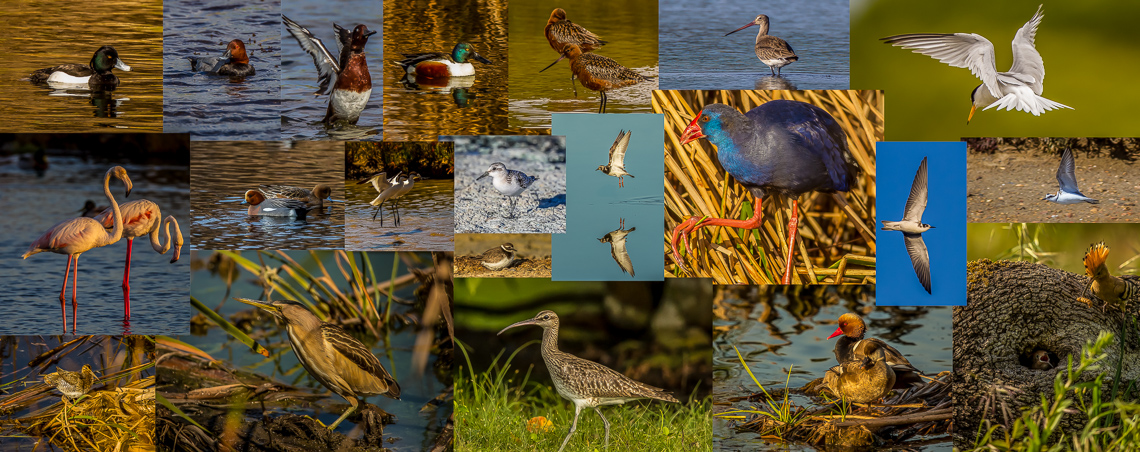
To the south east of the Quinta lies the Ria Formosa Estuary, which has extensive salt pans. Subsequently it has a wealth of wading birds, such as Avocet, Spoonbill, Greater Flamingo, Black and Bar-tailed Godwit, Black winged Stilt, Snipe, Redshank and Greenshank, as well as divers and ducks such as Shoveler, Pochard, Red-crested Pochard, Teal, Pintail, Widgeon and Gadwall. It is also famed for its population of Purple Galinules, and Little Bitterns are much in evidence and usually easily found and seen.
Some of the species found in among the salt pans and along the Algarve coastline ...
As if the above wasn't good enough already, just a short distance to the north east of Paradise in Portugal lie the wide-open Plains of the Alentejo.
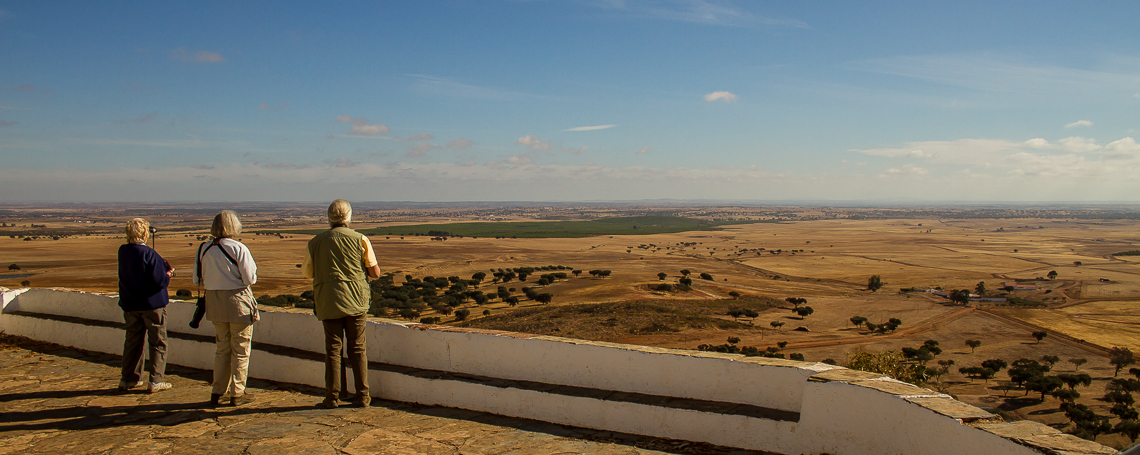
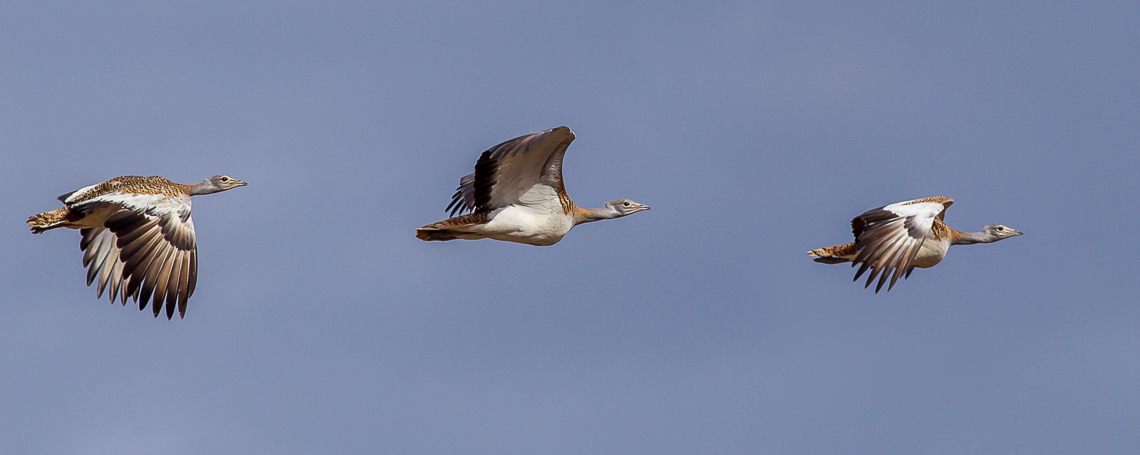
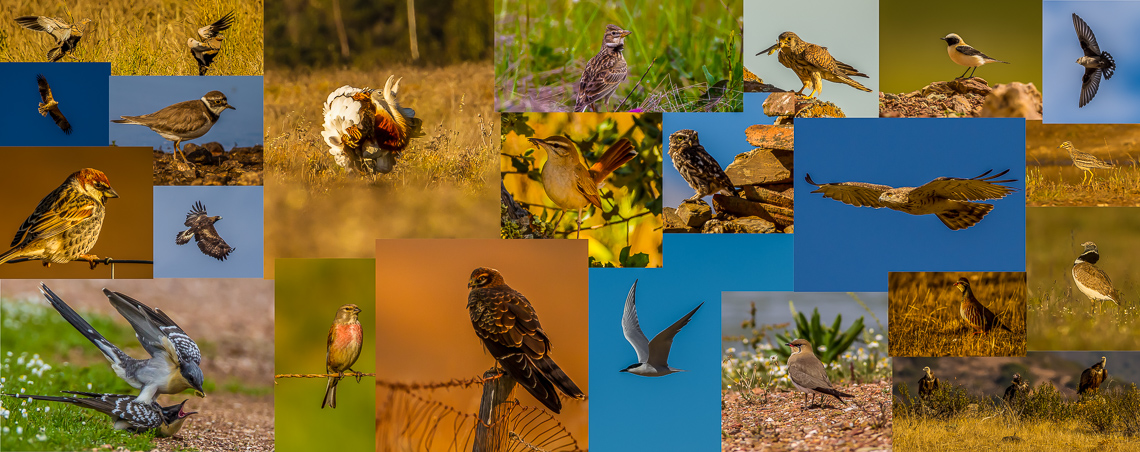
The bird life here is truly stunning with specialities including both Little and Great Bustard, Black-bellied Sandgrouse, Stone Curlew, Lesser Kestrel, Montagu's Harrier, Red-rumped Swallow, Callandra, Thekla, Crested, and Woodlarks, Spanish and Tree sparrows, Black-eared Wheatear, European Roller, Collared Pratincole, Spanish Imperial Eagle and Black and Red Kites amongst many others.
A few of the species found on the Plains of the Alentejo ...
Put in a nutshell, a birding holiday at Paradise in Portugal would ring anybody's bell!
The Water Rails often take a short cut across the lilly pads that cover a small inlet right in front of the hide so they're regularly seen and there's nothing better to watch them raise their brood during the Spring and Summer. It's not often both male and female are seen together out in the open but there's always the chance during April and May,
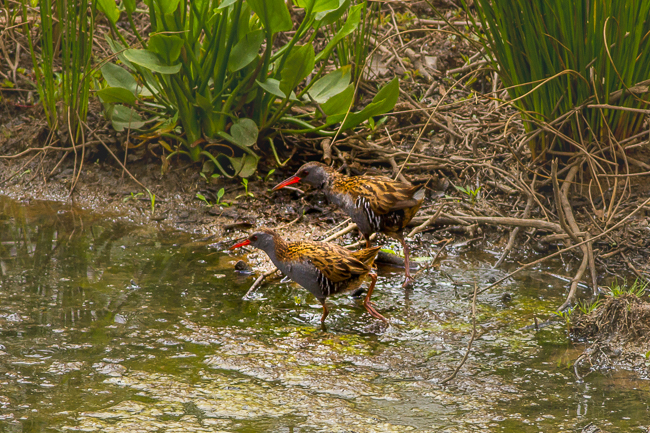
with the first chicks leaving the nest and following the adults as they search for food by the end of May.
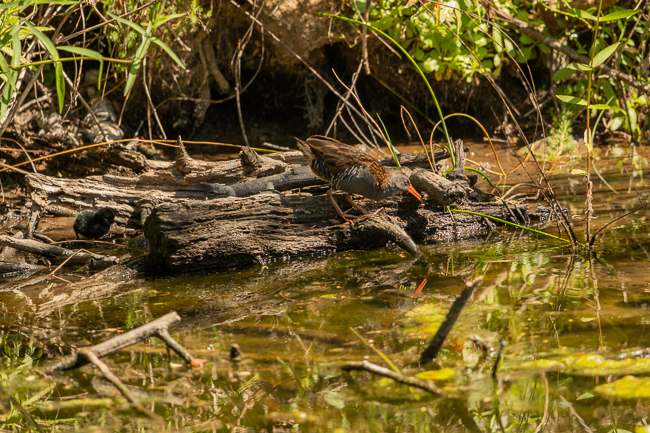
They feed mostly on the plentiful crayfish,
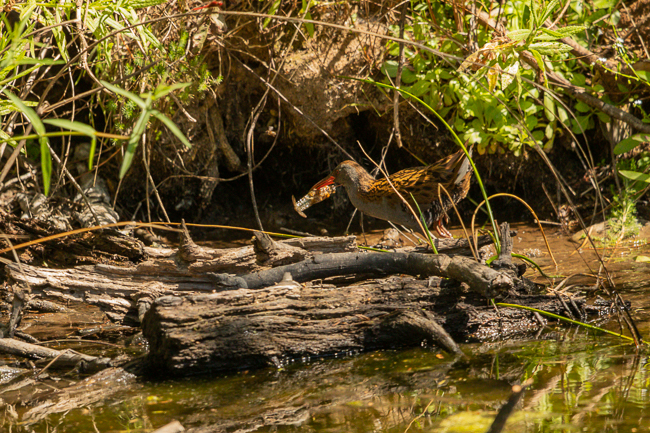
and the chicks grow fast, sometimes giving wonderful photographic chances as they bask and enjoy the sun.
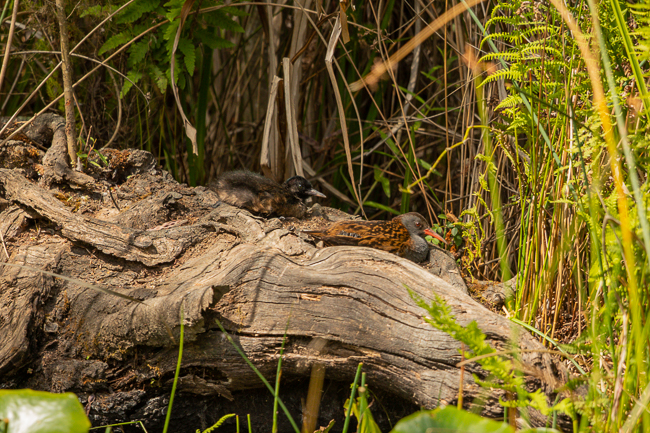
Normal clutch size is three or four, and they normally try to raise two broods, but it is seldom that the full clutch reaches maturity,
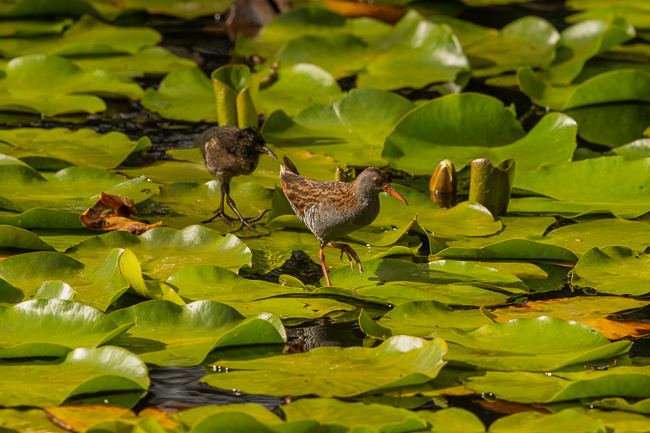
and by the end of July there is competition between the survivors,
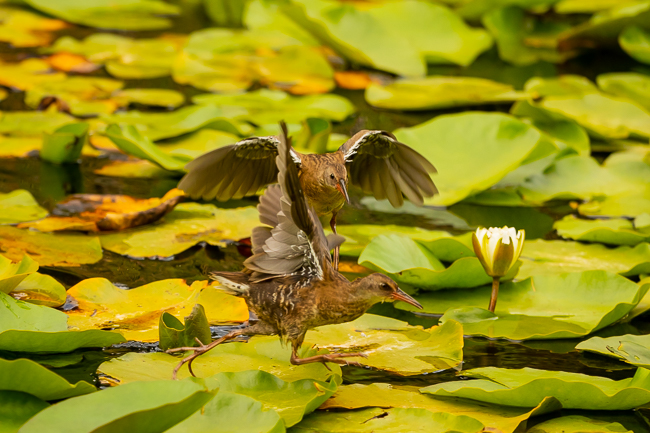
though the adults continue to feed the chicks until the Autumn.
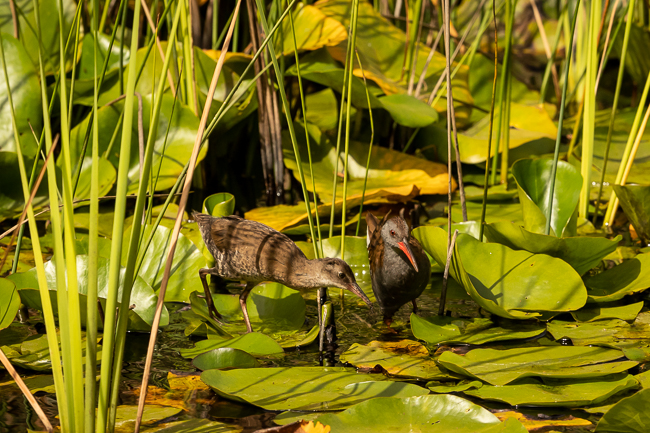
But whatever time of year the clean air and bright Portuguese sun gives endless opportunities to capture this shy and elusive species as it searches for its food,
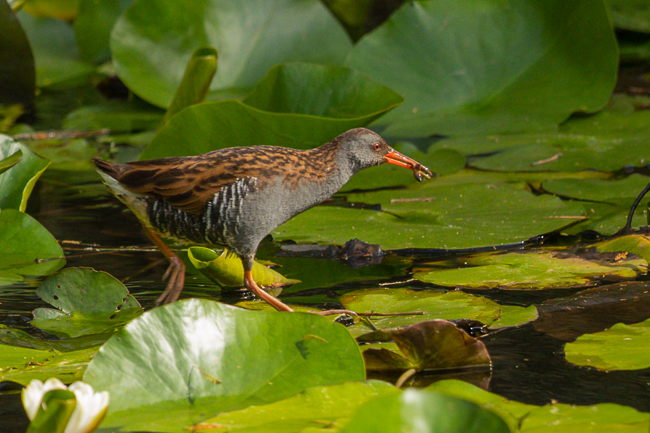
sometimes in flight,
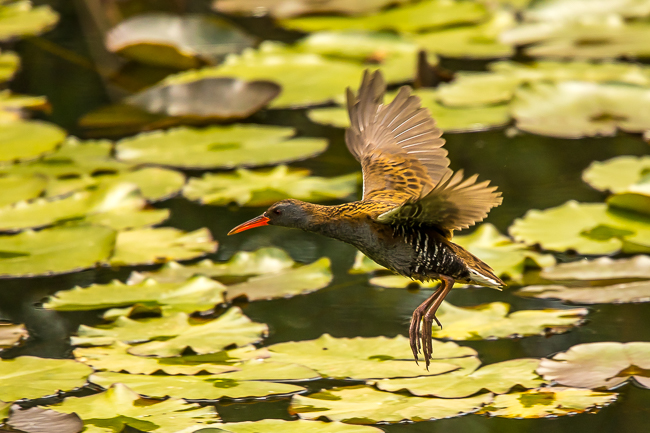
but usually walking around the shore or across the lilly pads,
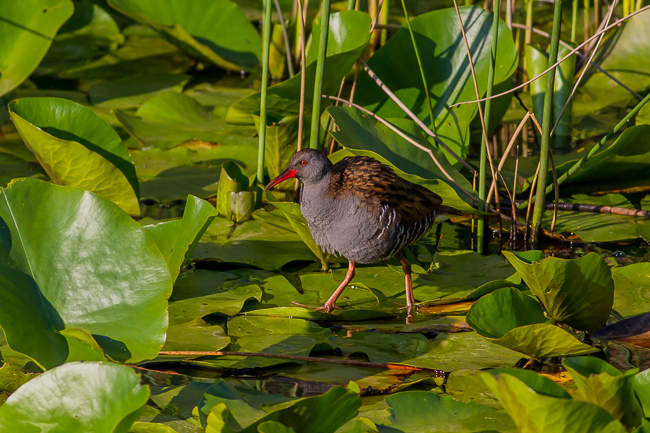
and, as they grow, juveniles, like this,
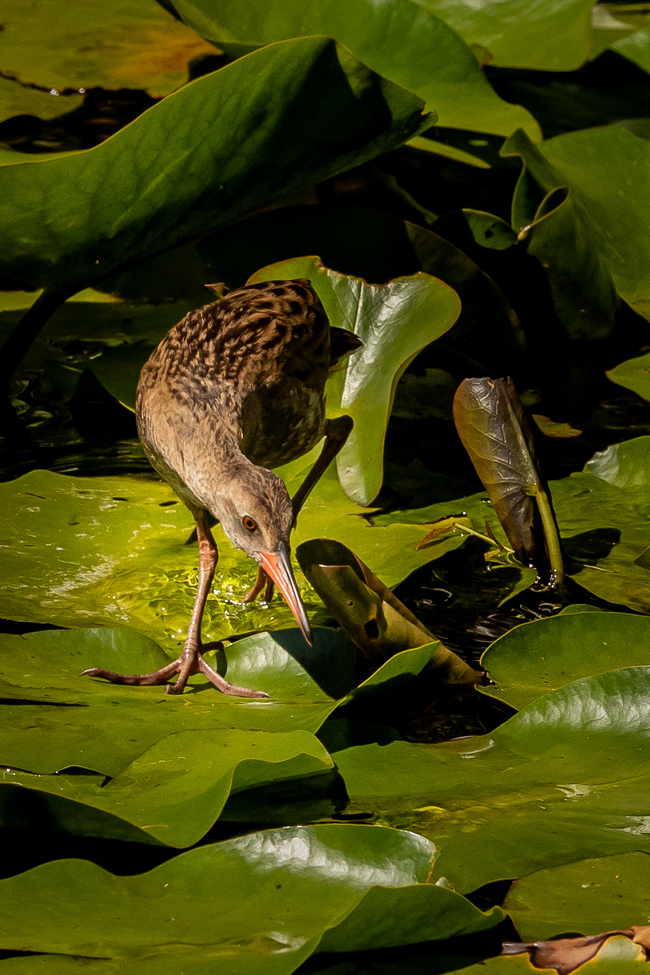
are as beautiful as the adults.
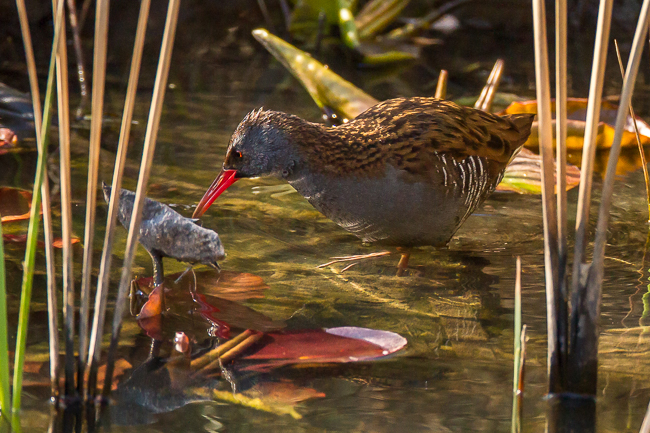
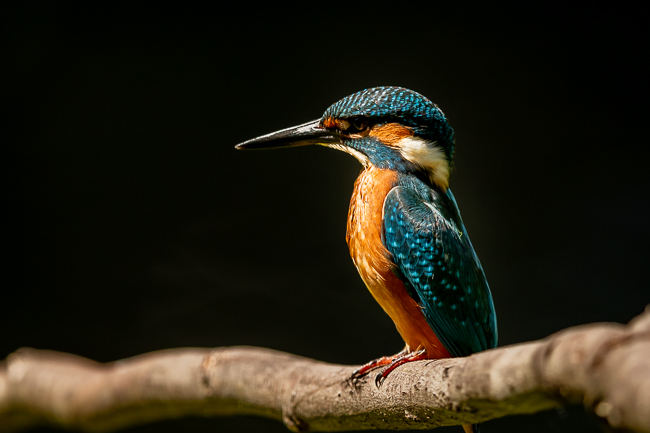
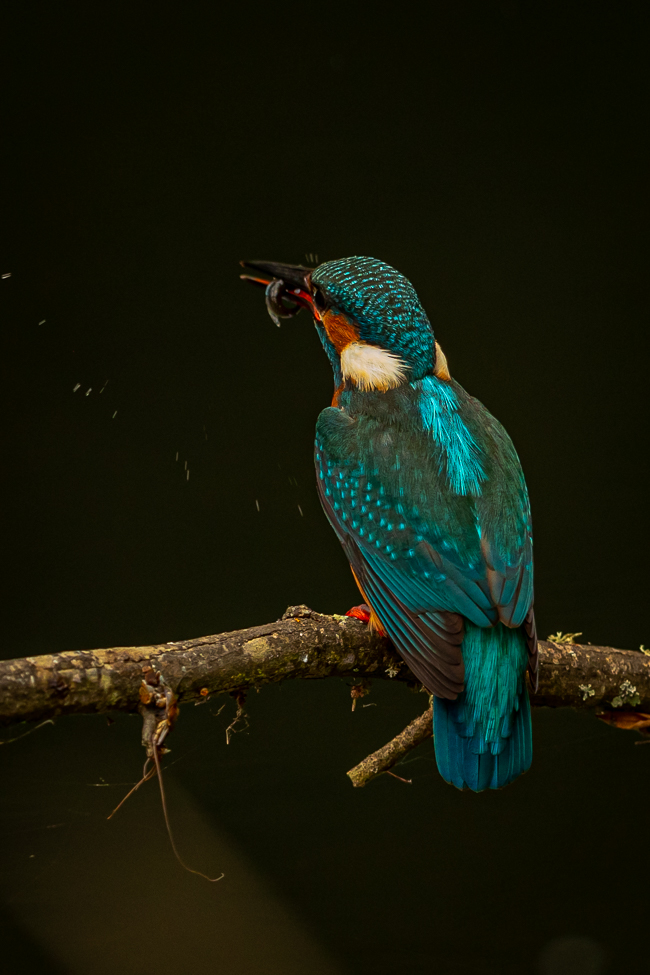
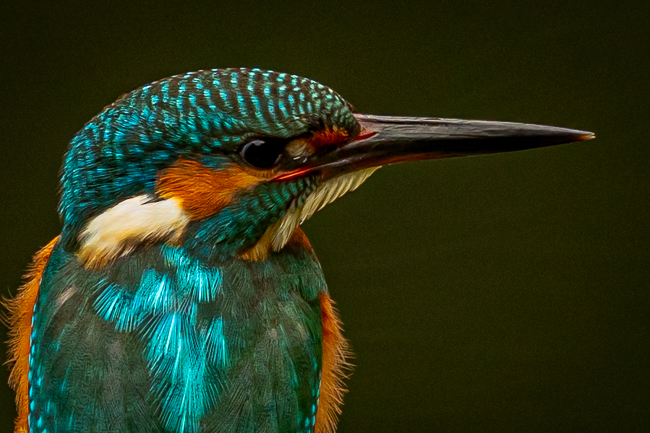
Kingfishers also attempt two broods of two to three chicks each, so they're quite common on this stretch of river. Here're a few shots all taken in one month, July '21.
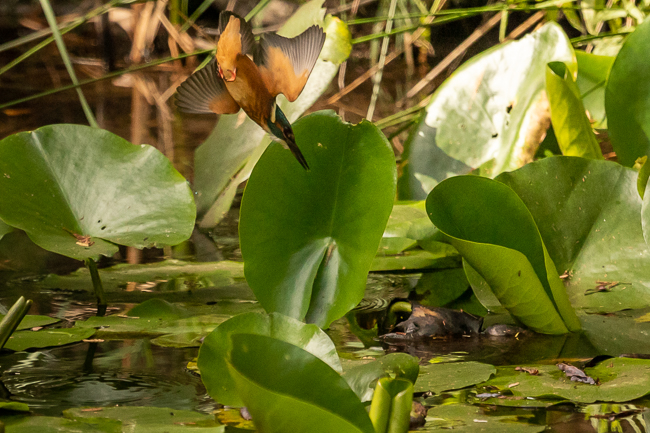
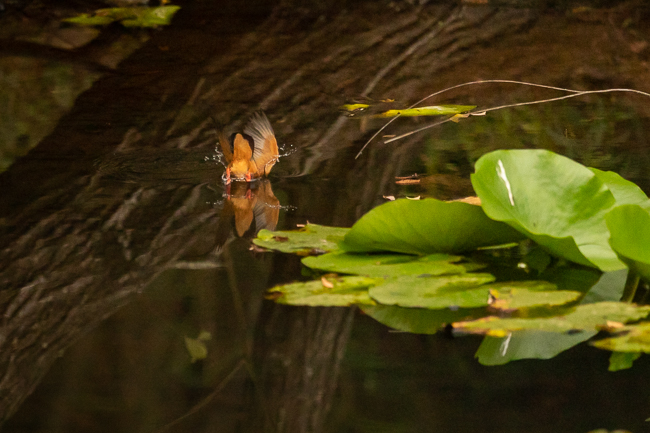
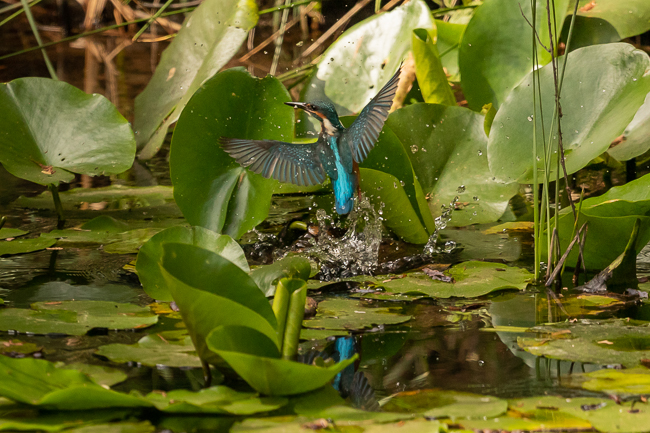
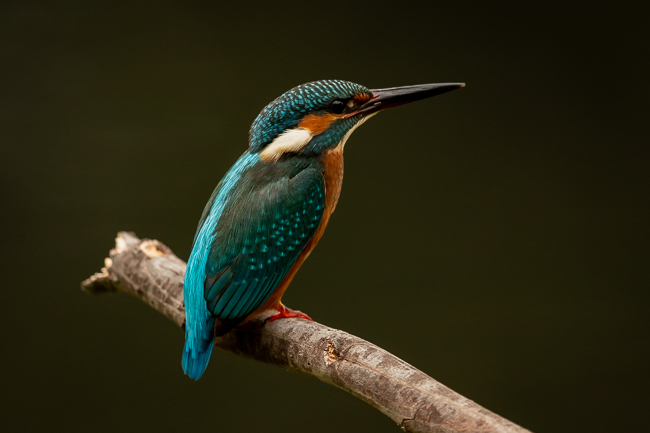
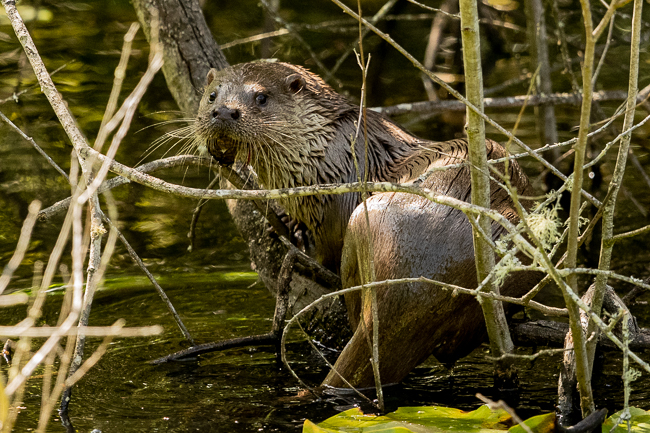
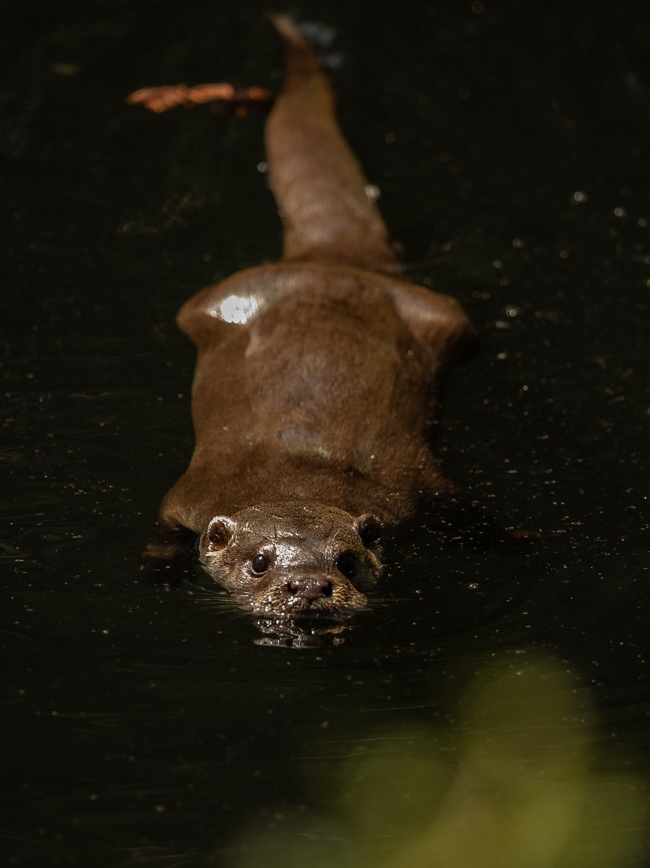
This hide is also a brilliant place from which to observe Eurasian Otters, another highly secretive and wary species and one that, though normally nocturnal, is regularly seen during daylight here.
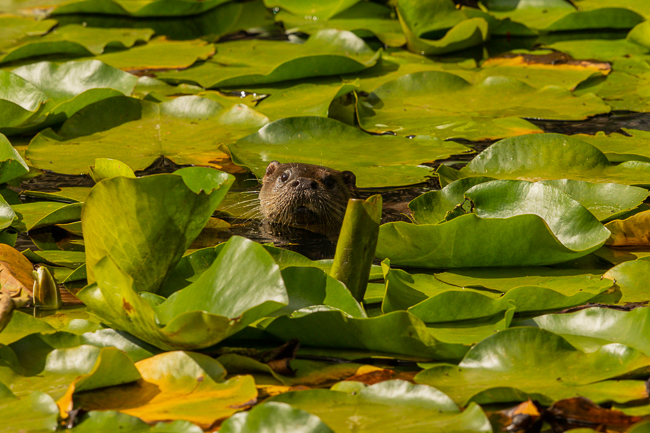
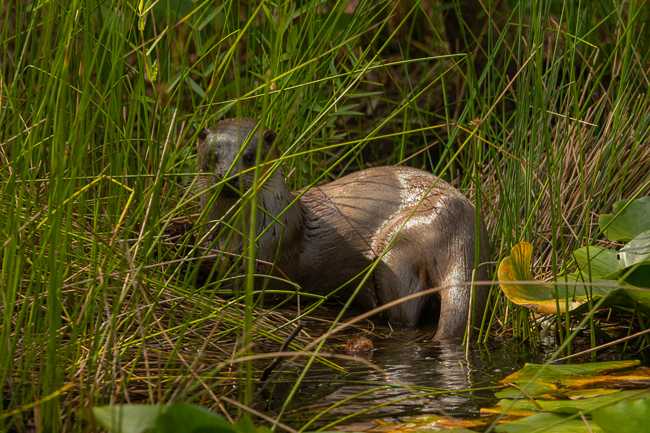
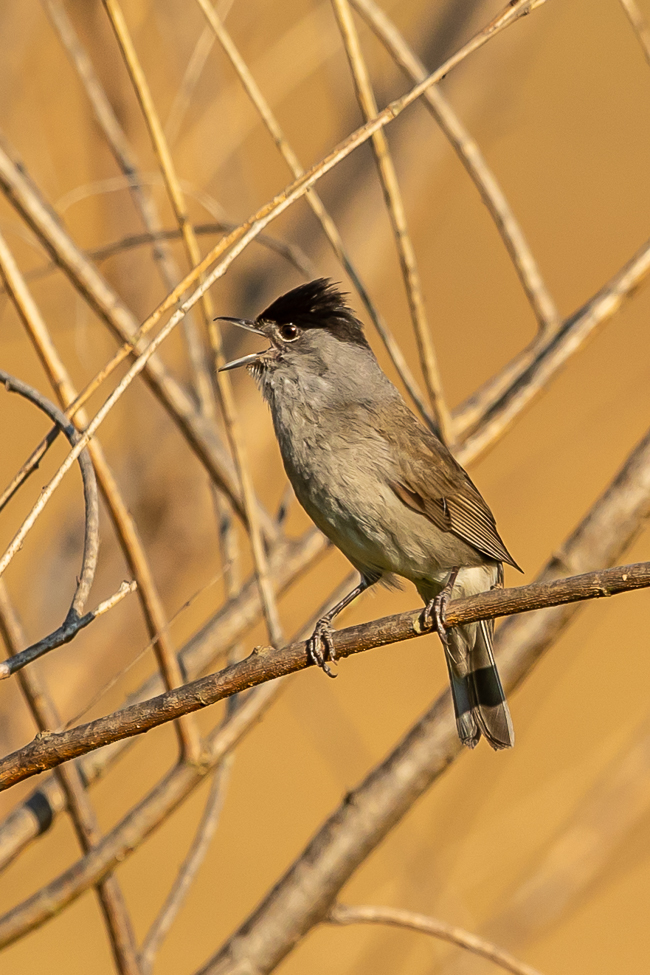
Of course there's always other species to see at this hide - and around the Quinta's gardens too, like Blackcaps,
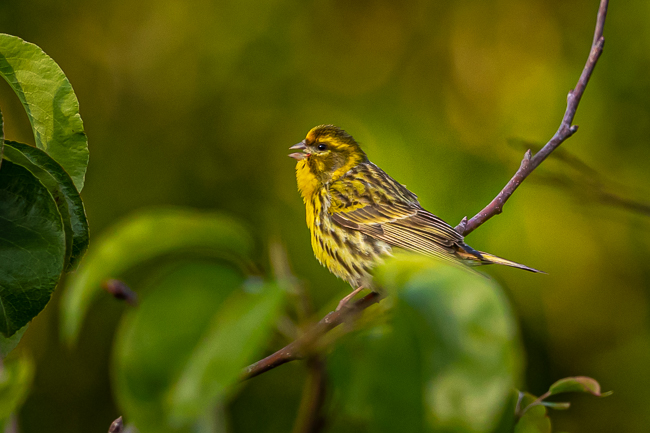
European Serins,
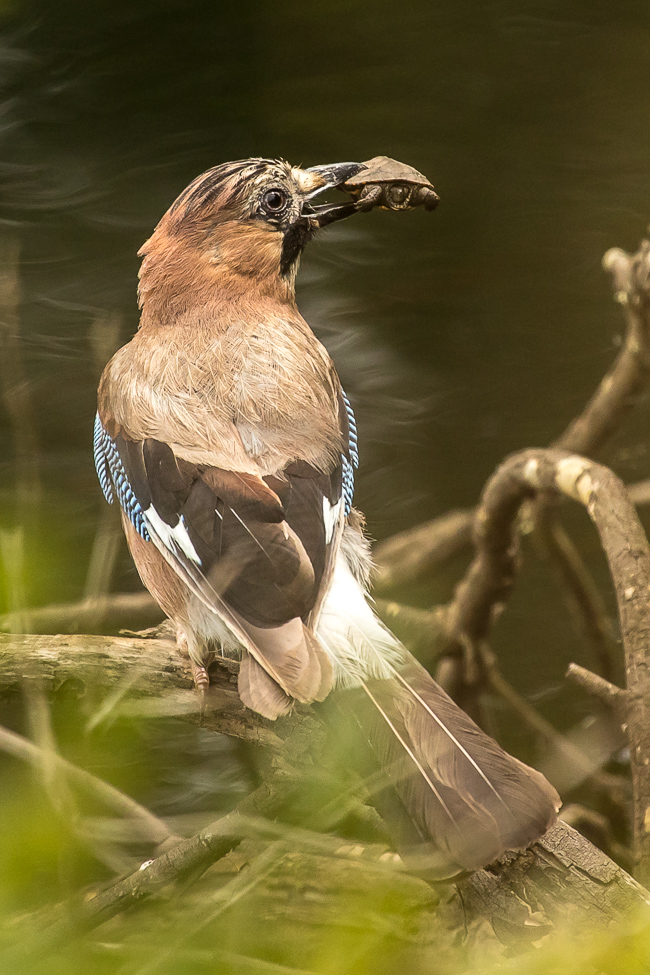
Eurasian Jays,
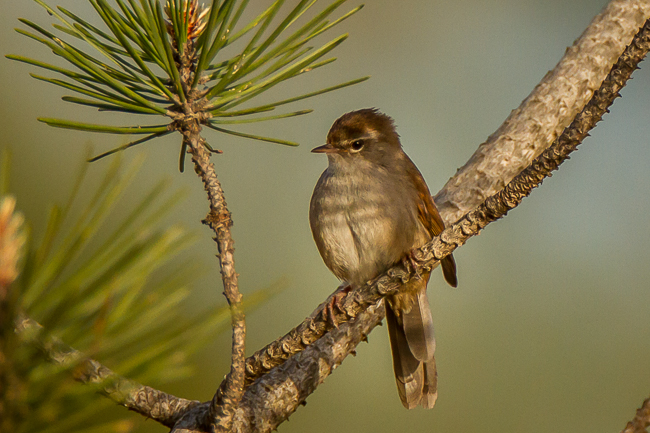
or the elusive Cetti's Warbler,
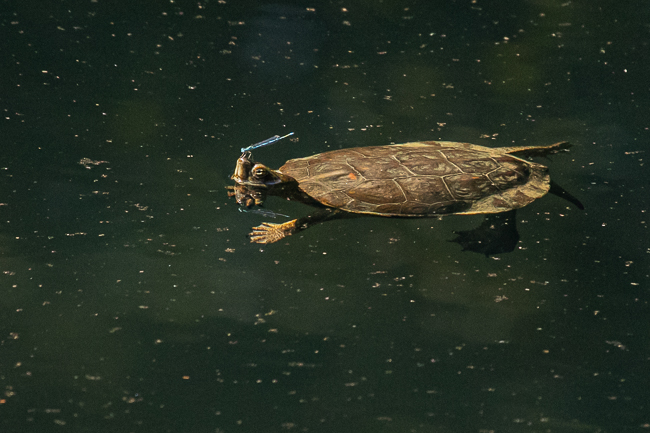
and it's not just birds either, for there are many other natural wonders - for example Spanish Terrapins, (and their friends!),
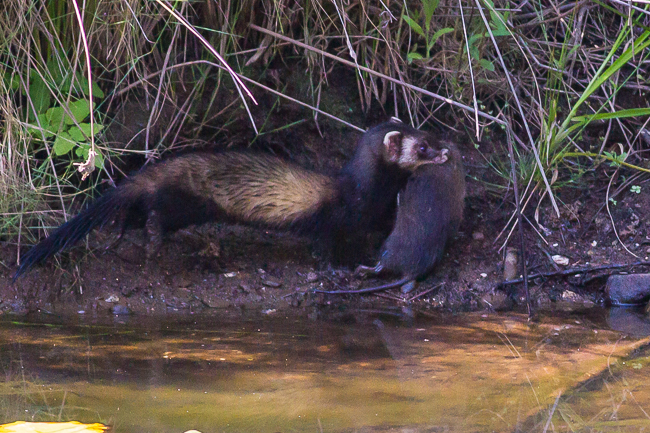
and you might be lucky enough to see Polecats,
or the IUCN Red-listed Southern Water Vole (Arvicola sapidus).