Among other conservation efforts in which "Birding in Portugal" has participated over the last 37 years, the Census of Common Birds stands out, and the following is a précis of the report 2004-2023.
In terms of participation, in the 2023 field season there were 34 squares monitored on the continent, showing a stability in the number of squares monitored on the continent in recent years. In terms of population trends, the decline of more than a third of species in agricultural areas (n=23) stands out, which highlights the impact of the changes that have occurred in recent decades in these ecosystems with an impact on biodiversity.
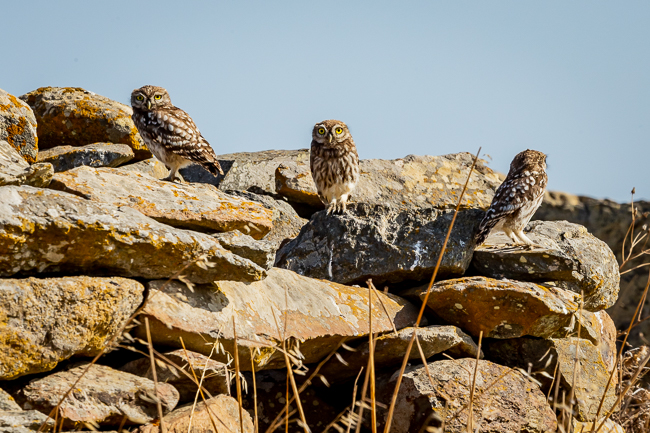
Common bird species such as the Barn Swallow, Little Owl and Iberian Grey Shrike show significant declines over the last 20 years.
In the group of woodland birds (n=20), the three species that show the largest decline are the Turtle Dove, the Woodchat Shrike and the Common Cuckoo.
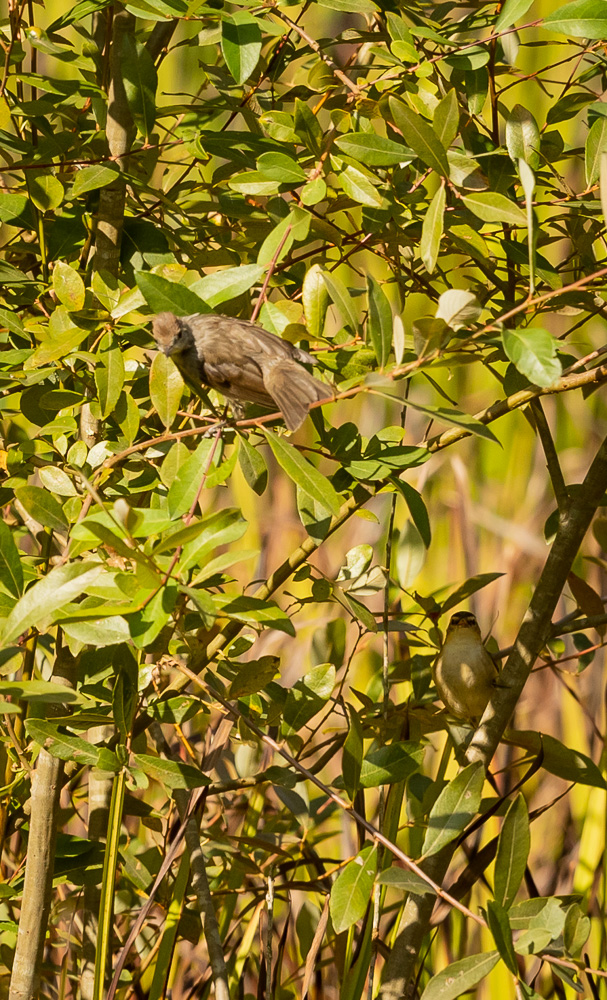
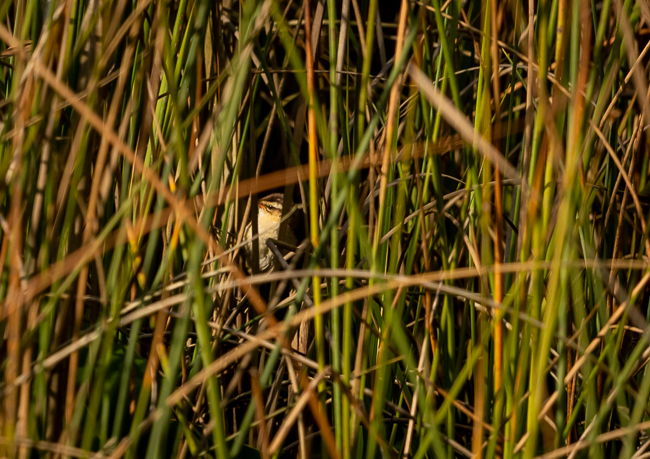
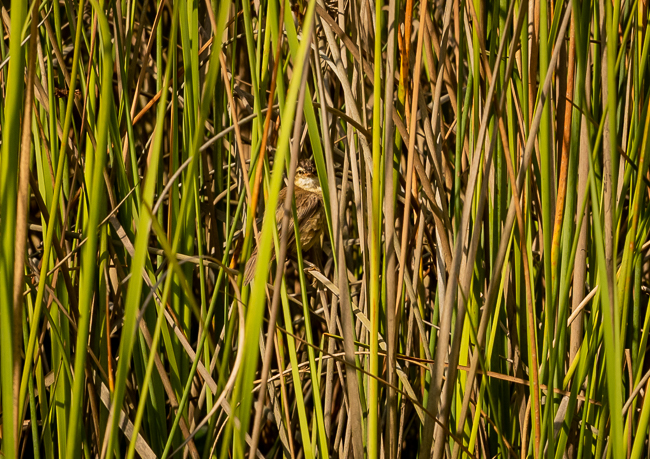
Among the remaining species evaluated (n=21), only three show a negative trend: the Little Egret, the Melodious Warbler and the Common Moorhen.
Looking at the results in Portugal and the recent trends published for Spain and the European continent, we highlight the generalized decline of some long-distance migratory species such as the Barn Swallow, the Woodchat Shrike, the Common Cuckoo and the Turtle Dove.
Moreover, there is also a decline of several common species in agricultural environments, including the House Sparrow, the Common Kestrel and the European Serin.
Conversely, some species associated with forest habitats, such as the Winter Wren, the Blackcap, the European Robin and the Short-toed Treecreeper, show positive trends in the Iberian Peninsula and Europe.
There are some contrasting results in the trends of some species (e.g., Common Magpie, Iberian Green Woodpecker, Corn Bunting), which may reflect regional or national variations in their trends (e.g., between Portugal and Spain) or the need for more targeted assessments.
Farmland birds
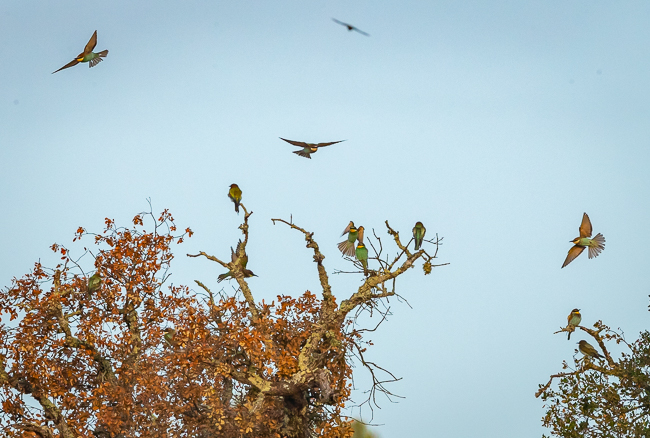
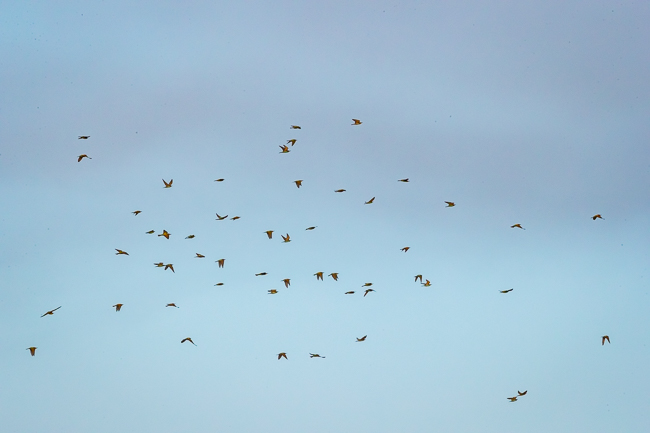
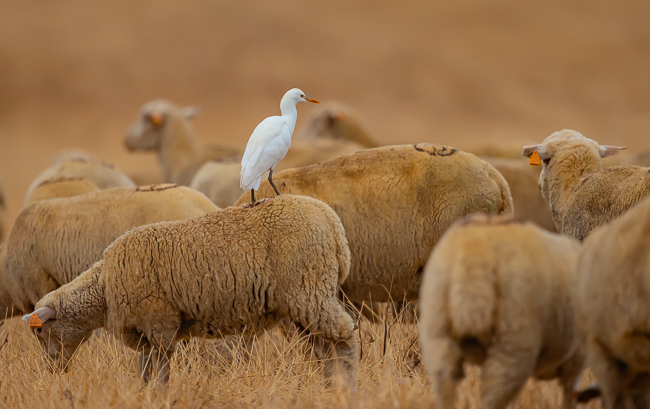
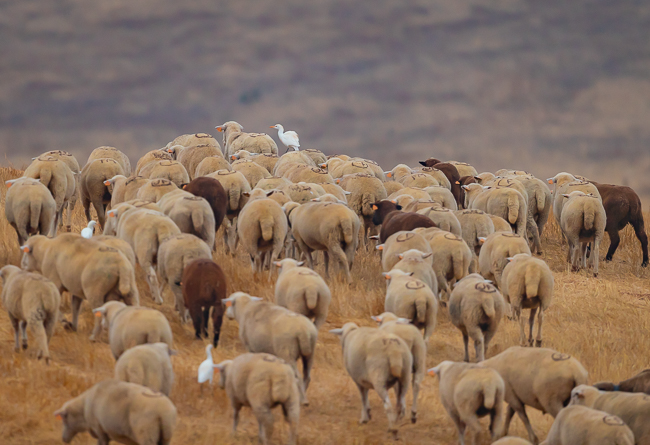
In the study period 2004-2023, of the 23 species associated with agricultural habitats, nine show a moderate declining trend, nine have a stable trend, and five have a positive trend. Analyzing only the last 10 years, most species show a stable (10) or uncertain (9) trend, and only two species have had a positive demographic evolution and two others have had a negative evolution, with emphasis on the Cattle Egret and the Barn Swallow, which are the species that have shown the greatest declines in the last ten years. There are no differences in the classifications of long-term trends compared to the previous report (Alonso et al. 2023). In twenty years of CAC (Meirinho et al. 2013, Alonso et al. 2019-2023), the decline of a considerable number of agricultural species stands out, namely insectivorous species, such as the Iberian Grey Shrike, the European Bee-eater and the Barn Swallow.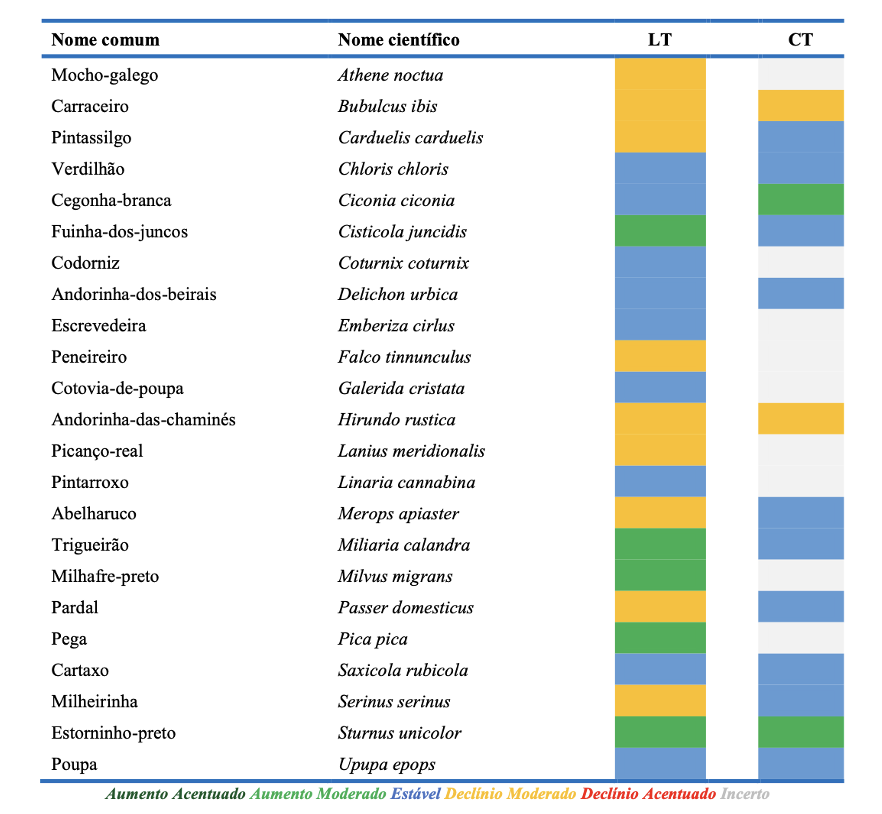
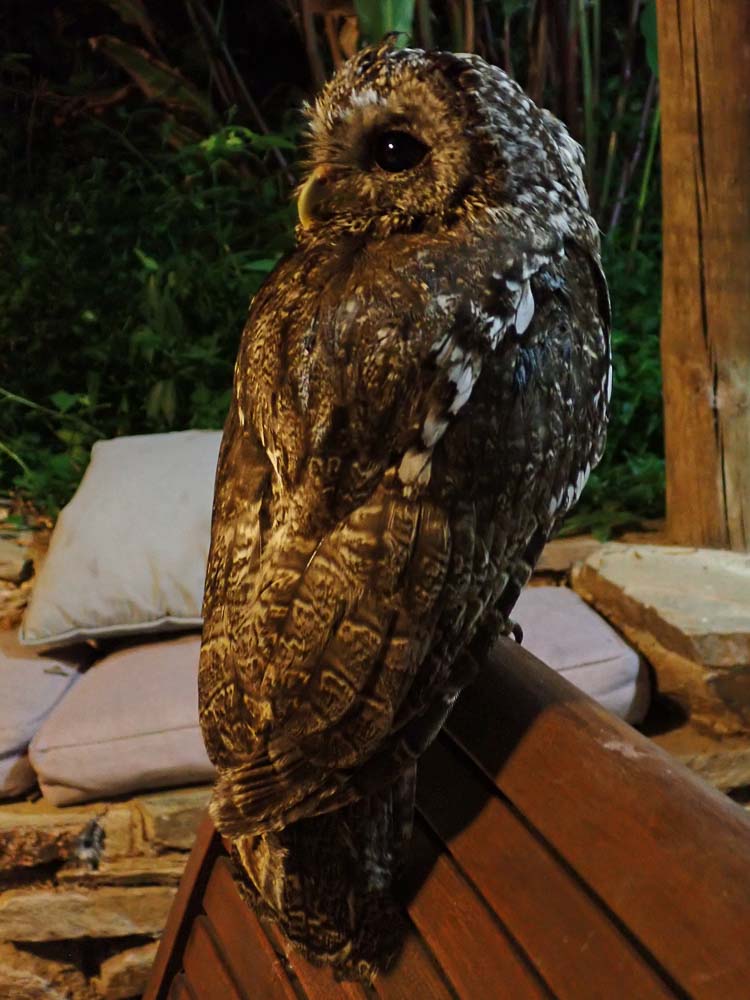
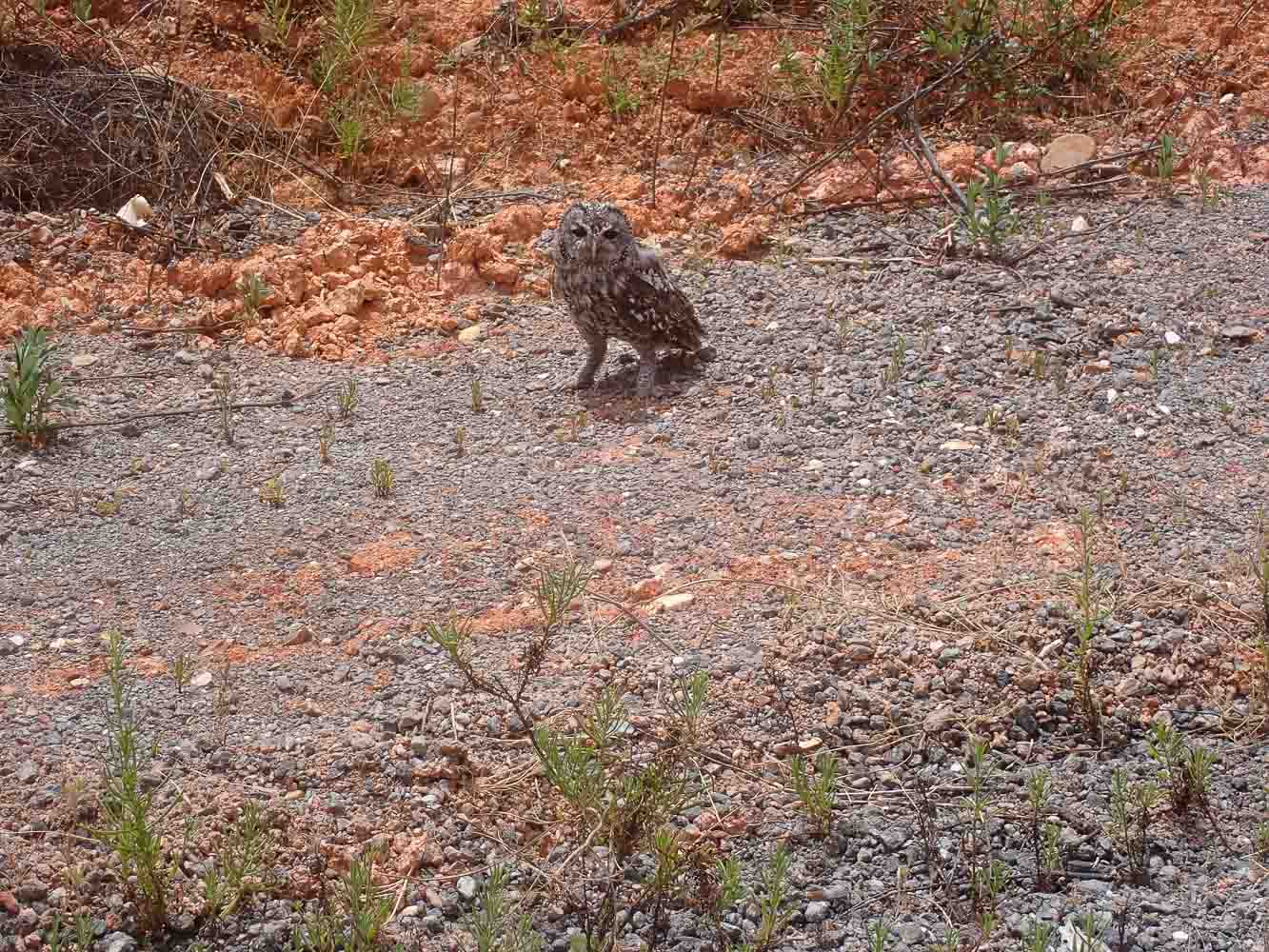
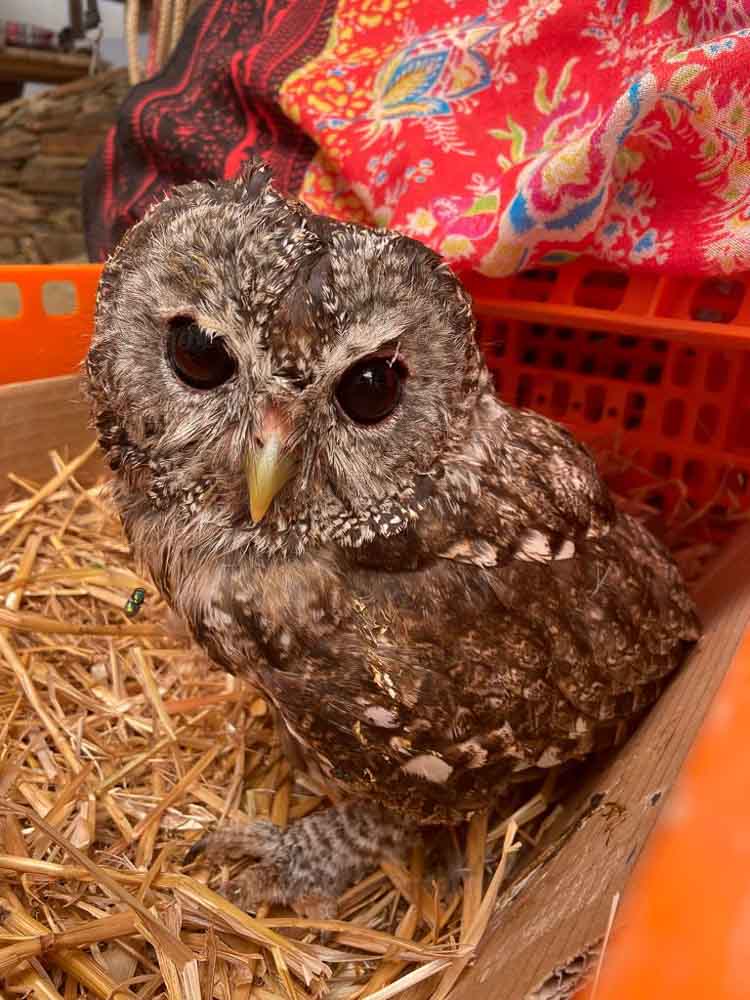
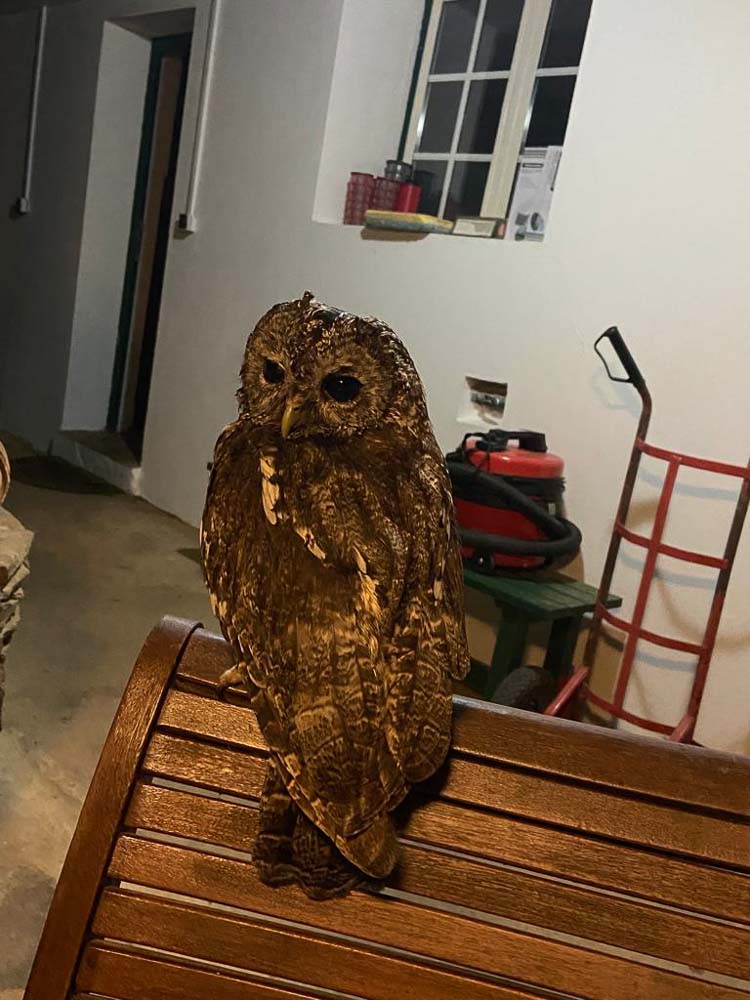
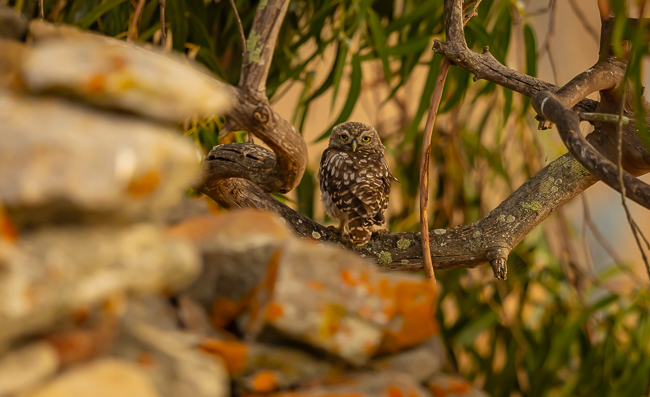
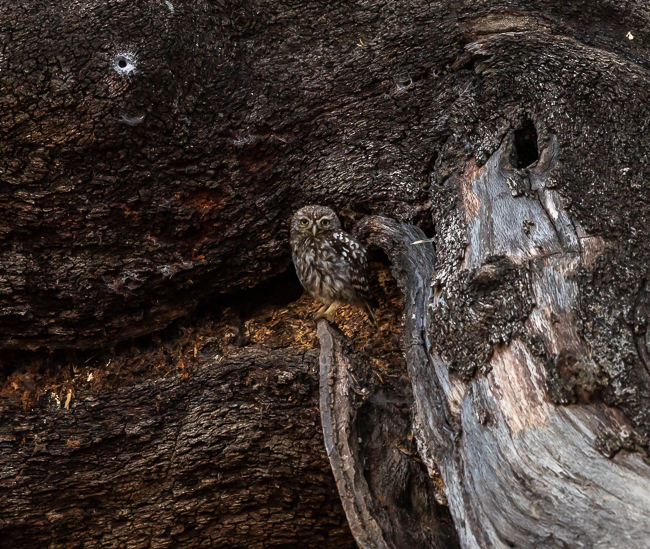
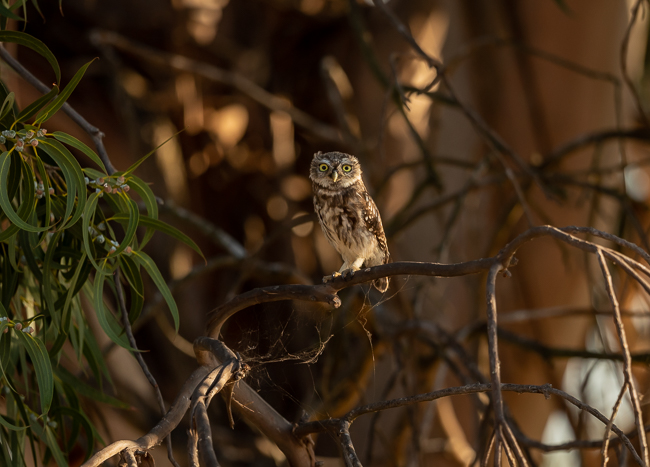
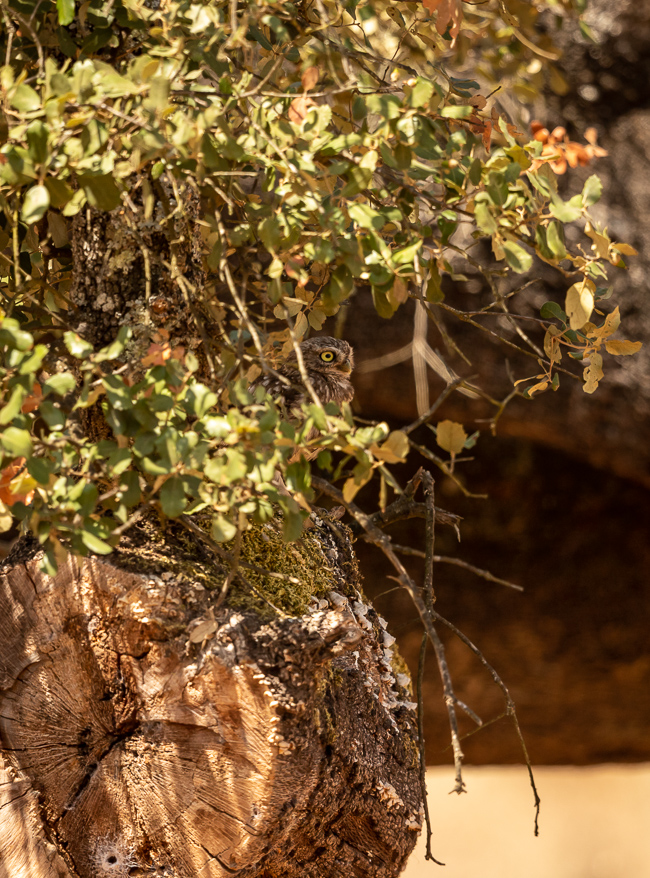
Other species that show a tendency to decline are the Little Owl and the Common Kestrel which are also both species with an important insectivorous component in their diets.
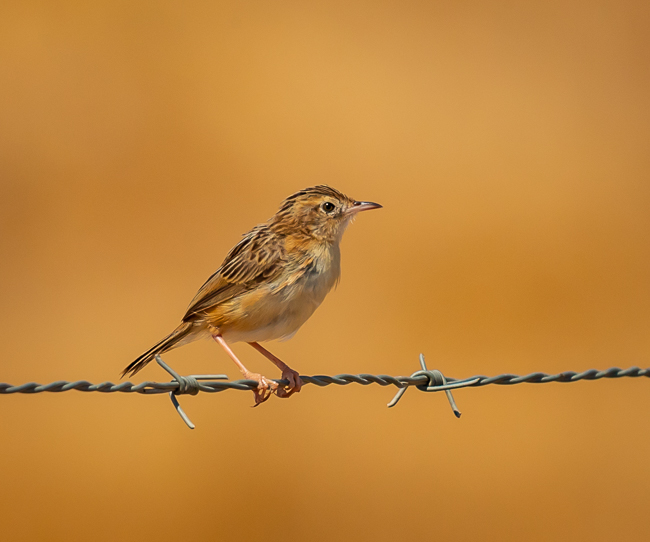
Among the species with a positive trend are the Black Kite, the Zitting Cisticola and the Common Magpie, among others.
Among the species with stable trends are the Eurasian Hoopoe, the Common Stonechat and the Common House Martin.
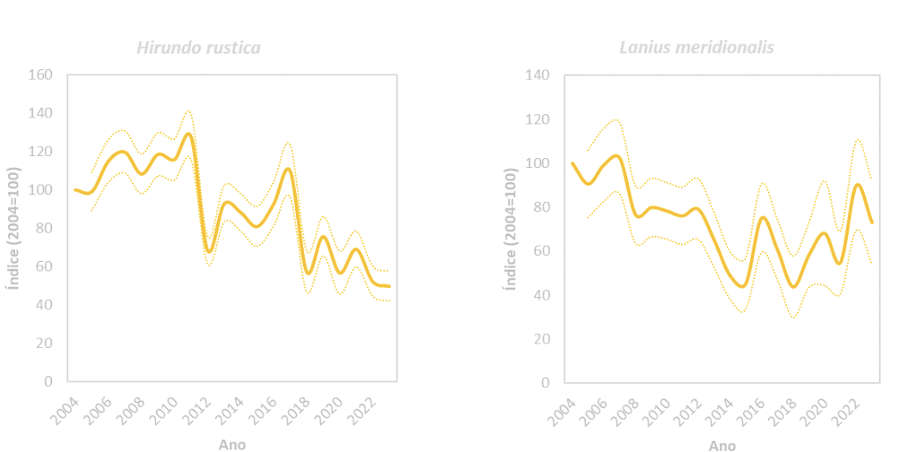
The Barn Swallow and the Iberian Grey Shrike both show a negative trend between 2004 and 2023.
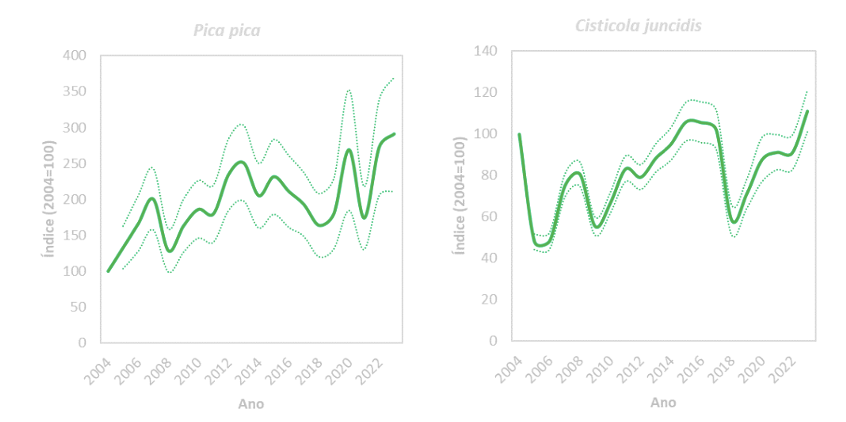
Some common farmland species, such as the Common Magpie and the Zitting Cisticola, have increased between 2004 and 2023.
Woodland Birds
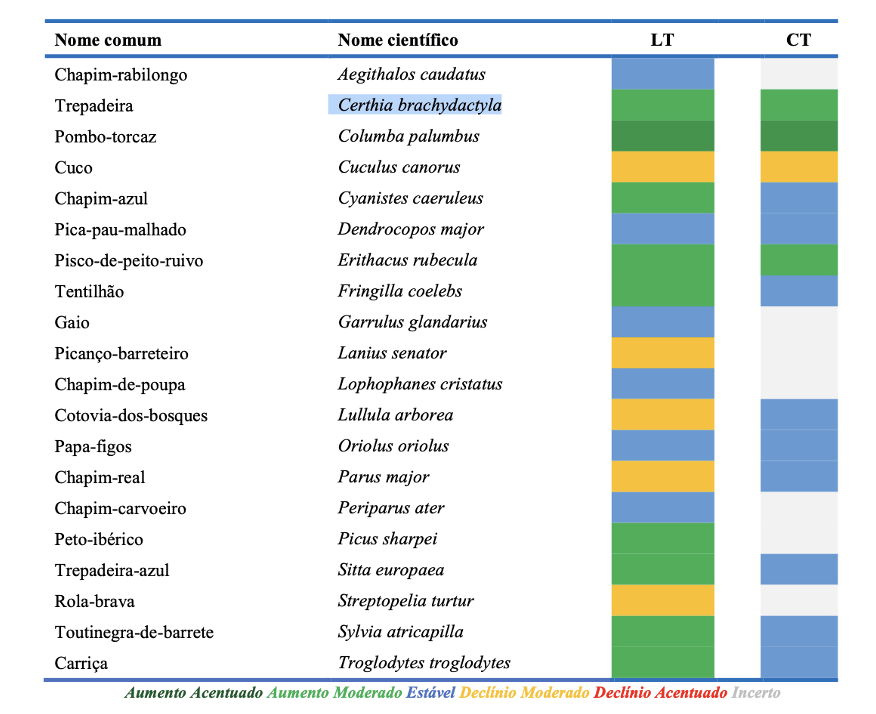
Of the 20 species that were included in the group of woodland birds, nine have a positive population trend, one has a trend of sharp decline, six have a stable trend and five are in moderate decline. Looking at just the last 10 years, only one species is showing a population decline and three are showing a positive trend.
Among the species with a negative trend, the most notable are the Turtle Dove, the Woodchat Shrike, the Common Cuckoo and the Woodlark, which show a negative demographic evolution in the period 2004-2023. Looking only at the last 10 years, the Common Cuckoo is the only species showing a moderate decline.
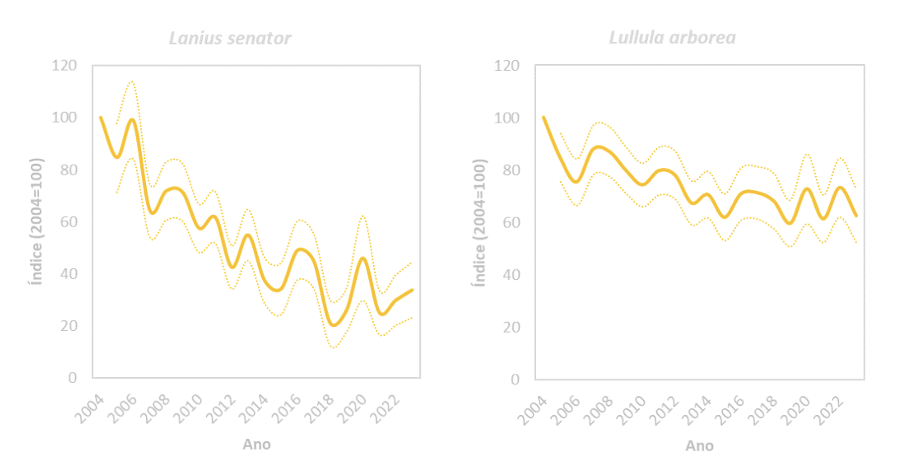
Both the Woodchat Shrike and the Woodlark show a trend of moderate decline between 2004 and 2023.
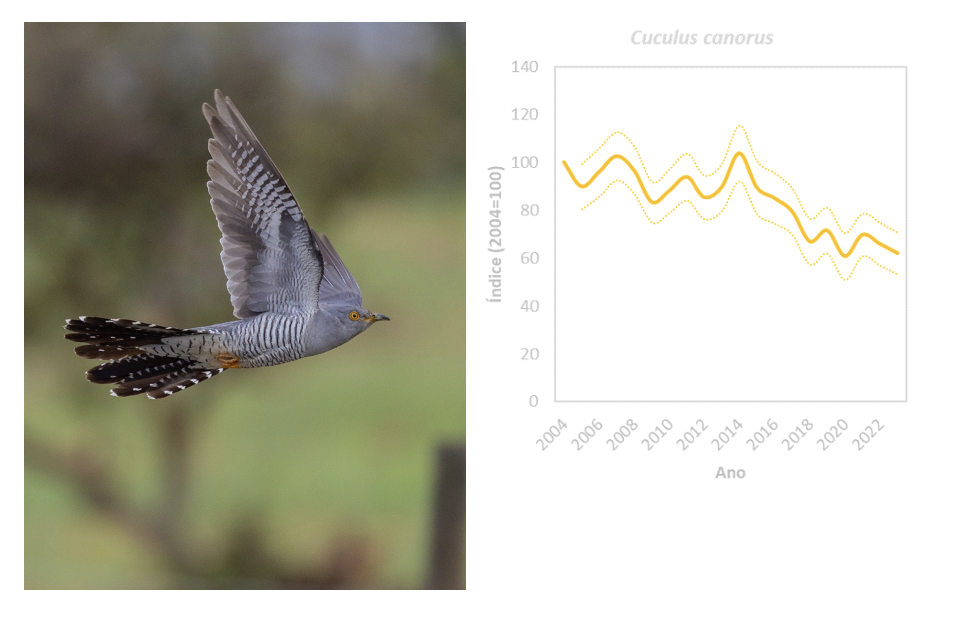
The Common Cuckoo (Cuculus canorus) shows a continuing downward trend over 20 years between 2004 and 2023.
Two of the species with a negative trend in the period 2004-2023, the Woodlark and the Great Tit, have shown a stable trend over the last 10 years.
Among the species with a positive trend, the Wood Pigeon stands out as it shows a trend of marked growth, including in the last 10 years. Among other species, the Short-toed Treecreeper, the Iberian Green Woodpecker and the European Robin show moderate growth. Considering only the last 10 years, the European Robin and the Short-toed Treecreeper show a moderate growth trend. The Golden Oriole and the Great Spotted Woodpecker show a stable trend in the period 2004-2023.
Comparing long-term trends with the classifications obtained last year (Alonso et al. 2023), the biggest highlight is the change in the classification of the Woodchat Shrike, which went from a trend of sharp decline to a trend of moderate decline. The Greenfinch and Blue Tit now show a positive trend, whereas before they had a stable trend. Conversely, the Coal Tit and the Golden Oriole show stable trends, whereas before they showed a positive trend (Alonso et al. 2023).
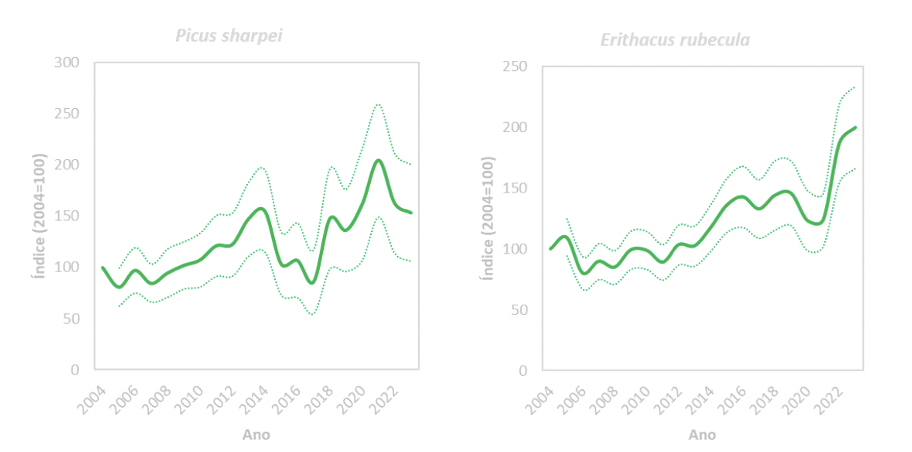
The Iberian Green Woodpecker and the European Robin show positive trends over the period between 2004 and 2023.
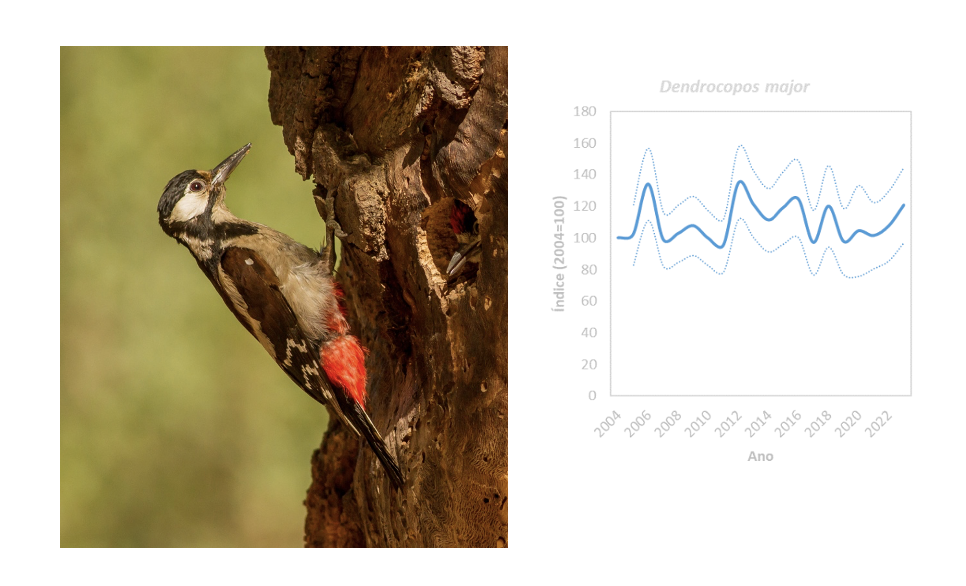
The Great Spotted Woodpecker (Dendrocopos major) shows a stable trend in the period 2004-2023.
Other habitats
In the group of birds associated with other types of habitats, twelve show a stable population trend, six show a positive population trend and three species show a moderate decline. Looking at the last ten years, most species show uncertain (10) or stable (6) trends, and the negative trend of three species stands out, with two species with a positive trend. The Little Egret, the Common Moorhen and the Melodious Warbler show a negative trend for the period 2004-2023, although of these three species only the Common Moorhen shows a trend negative in the last 10 years. Among the species with a positive trend for the period 2004-2023, the Iberian Magpie, the Sardinian Warbler and the White Wagtail, among others, stand out. In the short term, only the first two species show a positive trend.
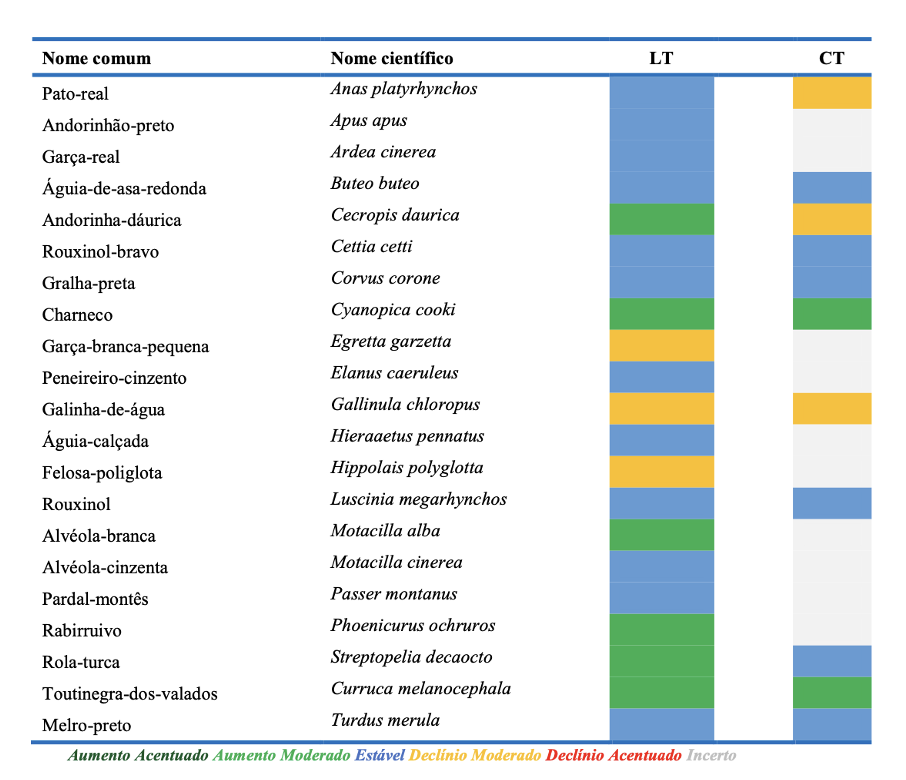
Species that show a stable trend include the Blackbird, the Common Nightingale and the Carrion Crow, among others. In the last 10 years, the stable trend of the Blackbird, the Common Buzzard and the Turtledove stands out.
Relative to the last report (Alonso et al. 2023), there were three species where it was possible to observe a change in long-term trend classifications: Mallard (moderate to stable growth), Common Moorhen (stable to moderate decline), and Grey Wagtail (uncertain to stable).
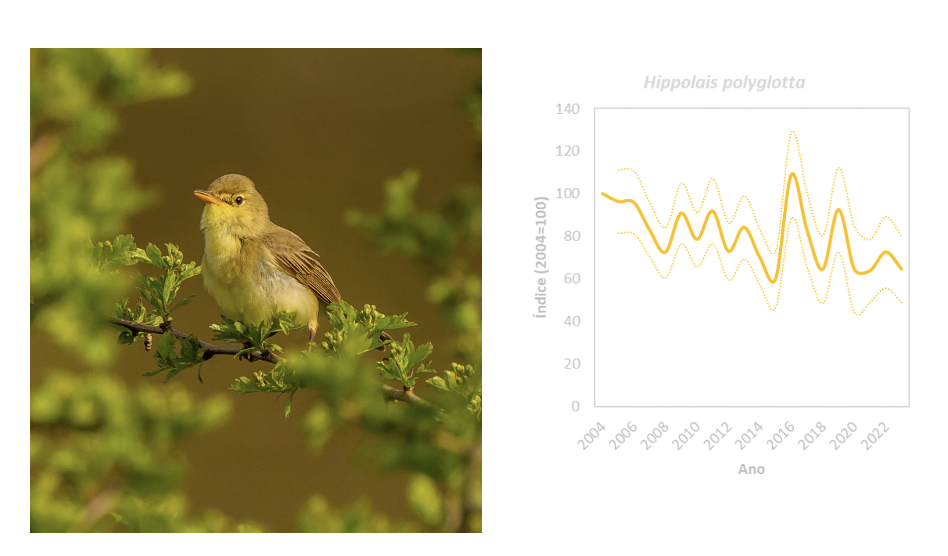
Graphic representation of the population trend of the Melodious Warbler (Hippolais polyglotta) between 2004 and 2023. The Melodious Warbler is a summer species that can be observed in Portugal between March and October.
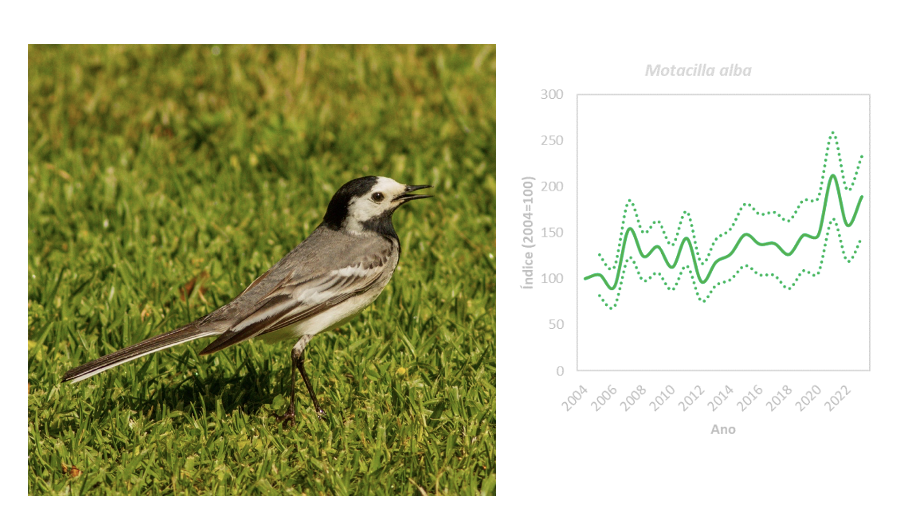
Graphical representation of the population trend of the White Wagtail (Motacilla alba) between 2004 and 2023. This wagtail shows moderate growth and can be easily observed in open habitats, including urban areas.
Multispecies indices
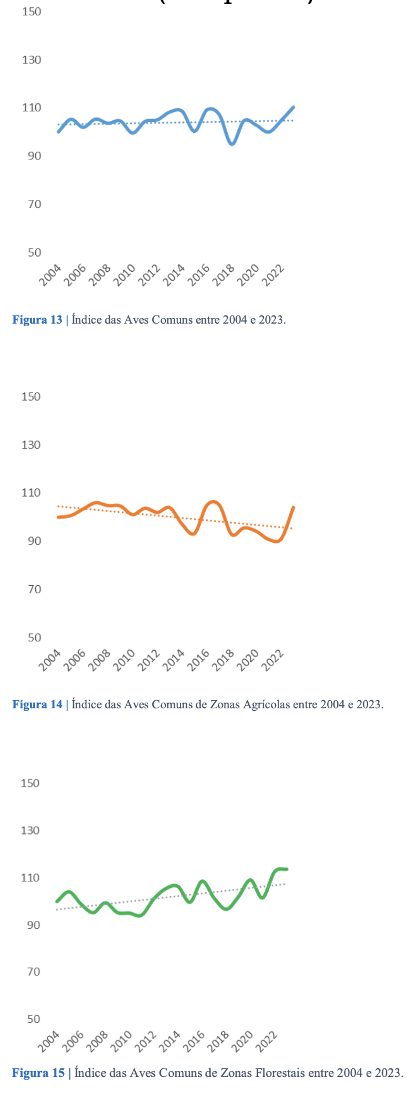
Multispecific indices aggregate a set of species representative of a habitat/biotope and can be used as indicators of the state of these ecosystems. The index of common birds (64 species) is stable for the entire census period (2004-2023), as is the index of common birds in agricultural areas (23 species), and the index of common birds of forest areas (20 species).
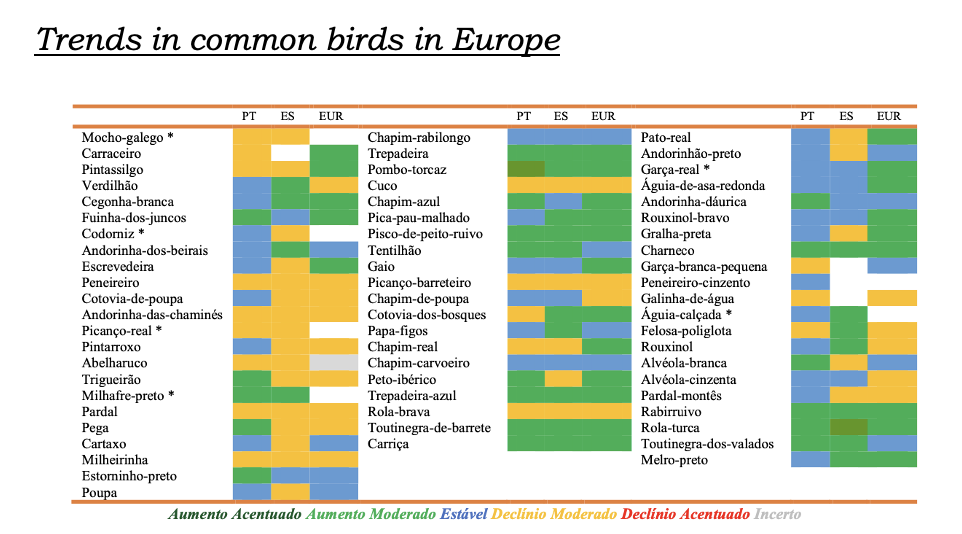
Population trends of 64 common bird species in Europe (EUR) in the period 2004-2021, as well as in Portugal (PT) and Spain (ES) for the period 2004-2022.
*For translations of most bird names from Portuguese this is a very good site.